Kigali has steadily grown into one of Africa’s cleanest, safest, and most organized cities. In 2026, the Rwandan capital continues to attract expatriates, diplomats, investors, entrepreneurs, and families looking for a high quality of life in East Africa. One of the most common questions people ask before relocating is: how much does it really cost to live in Kigali?
This guide breaks down the real cost of living in Kigali in 2026, from housing and utilities to food, transport, and lifestyle.
Housing Costs in Kigali (2026)
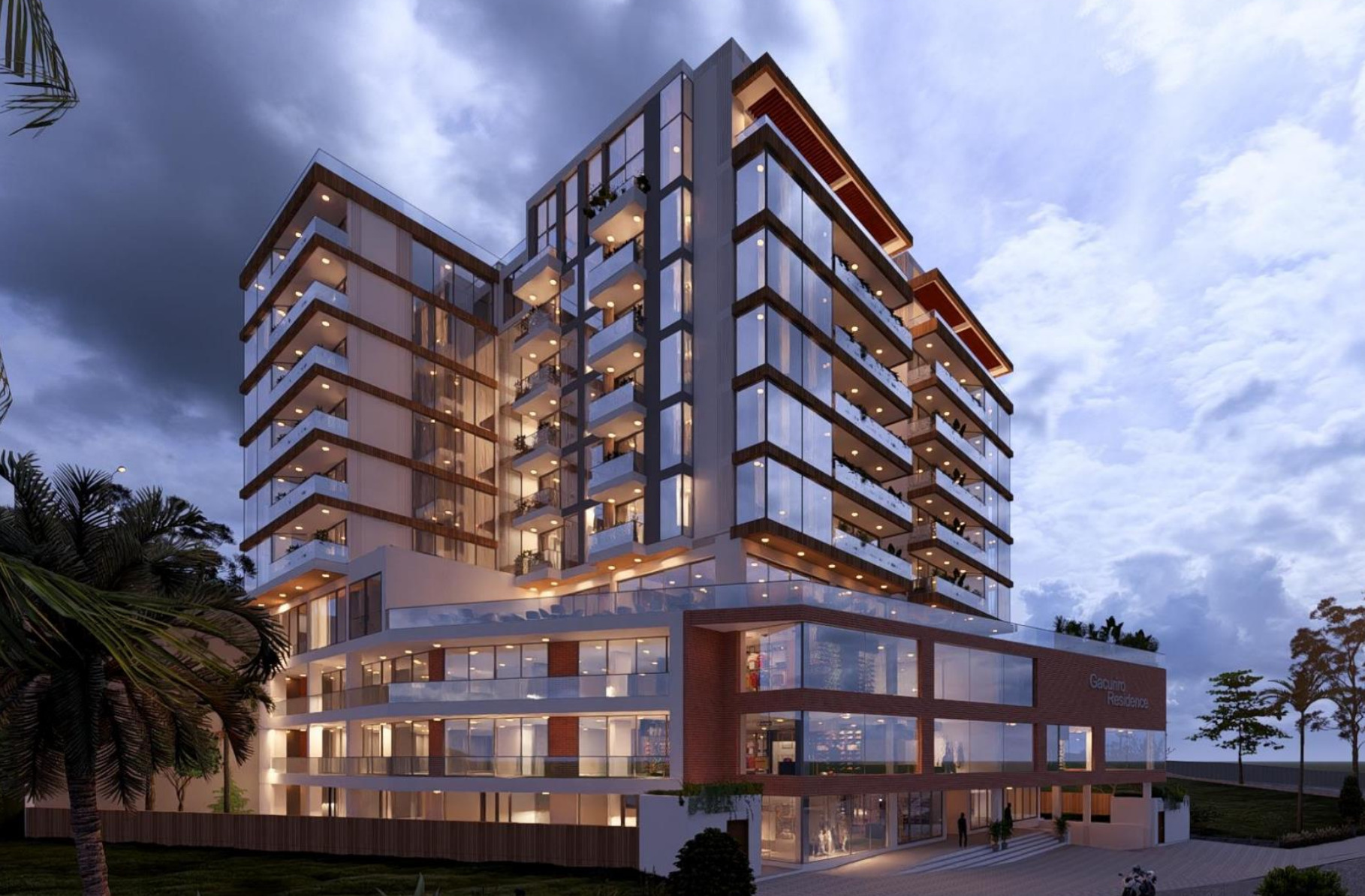
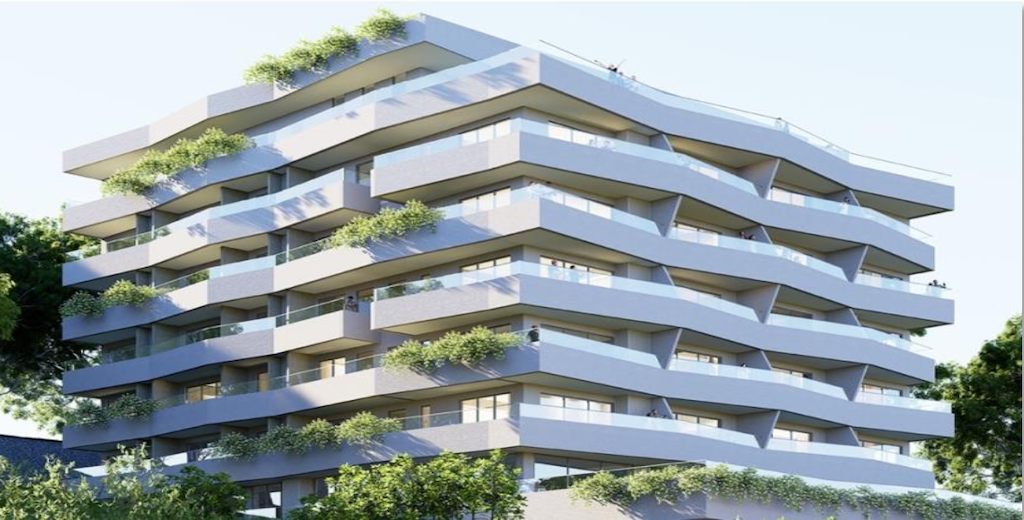
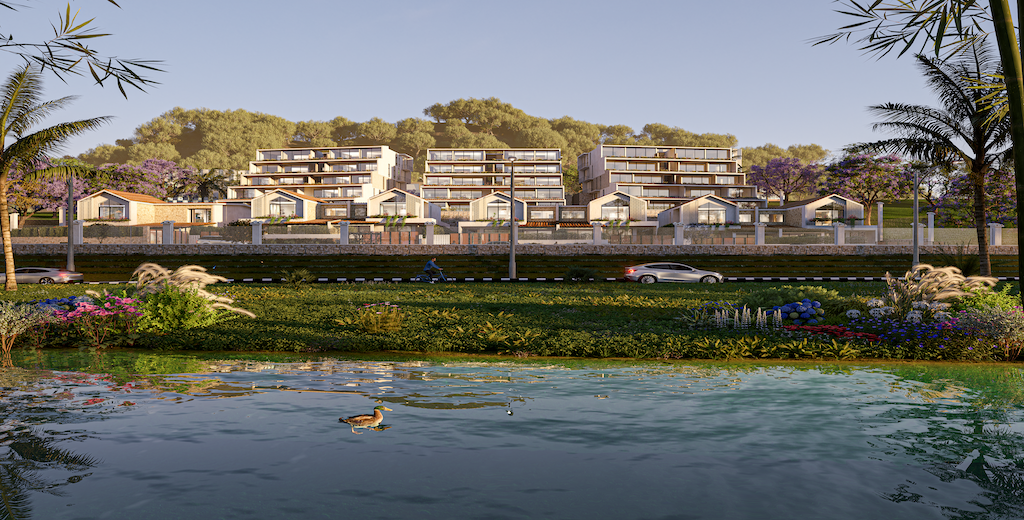
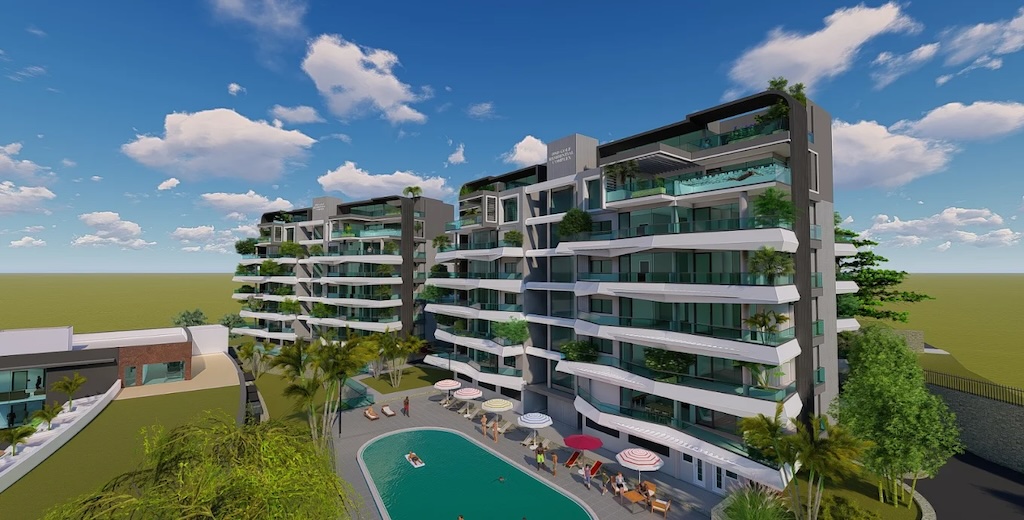
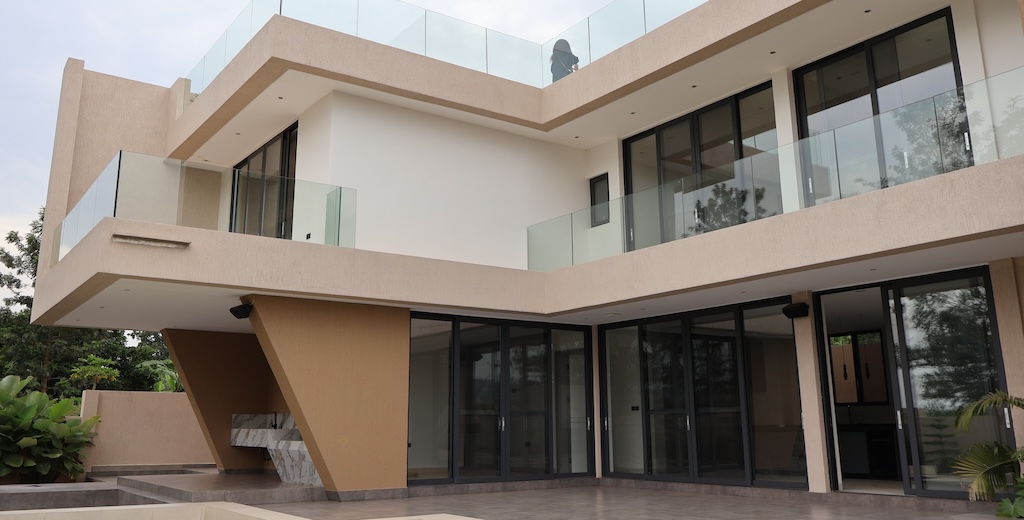
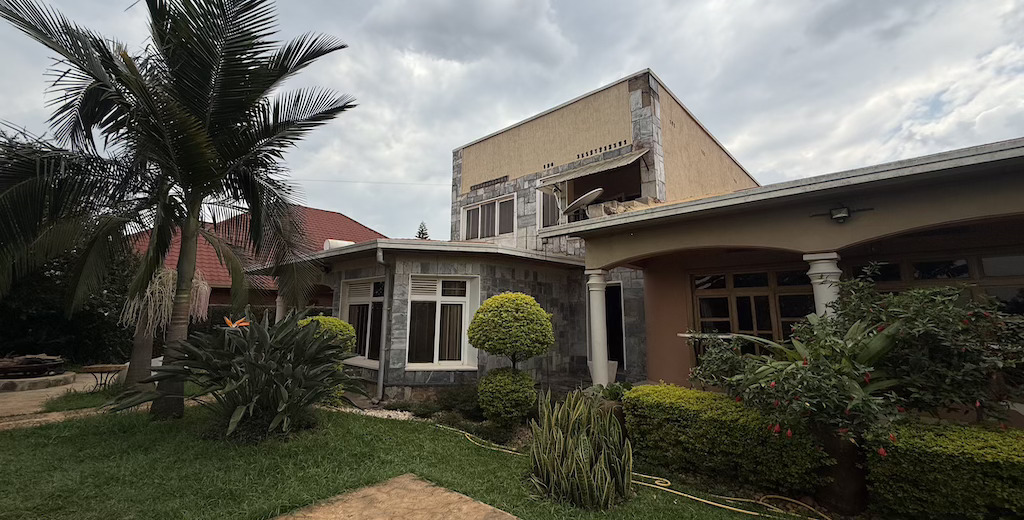
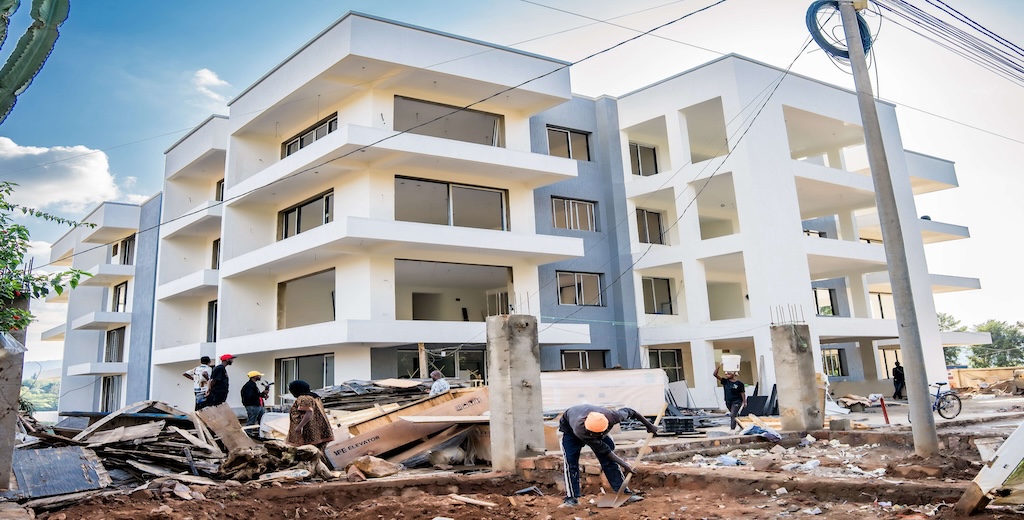
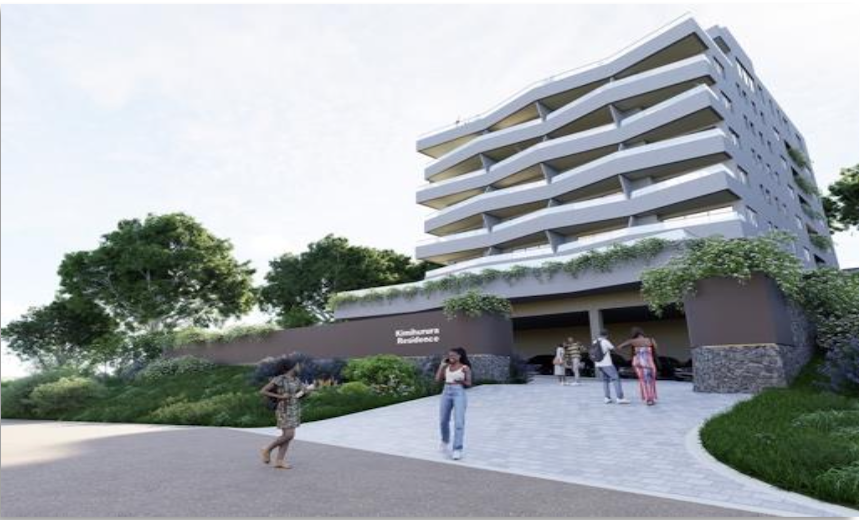
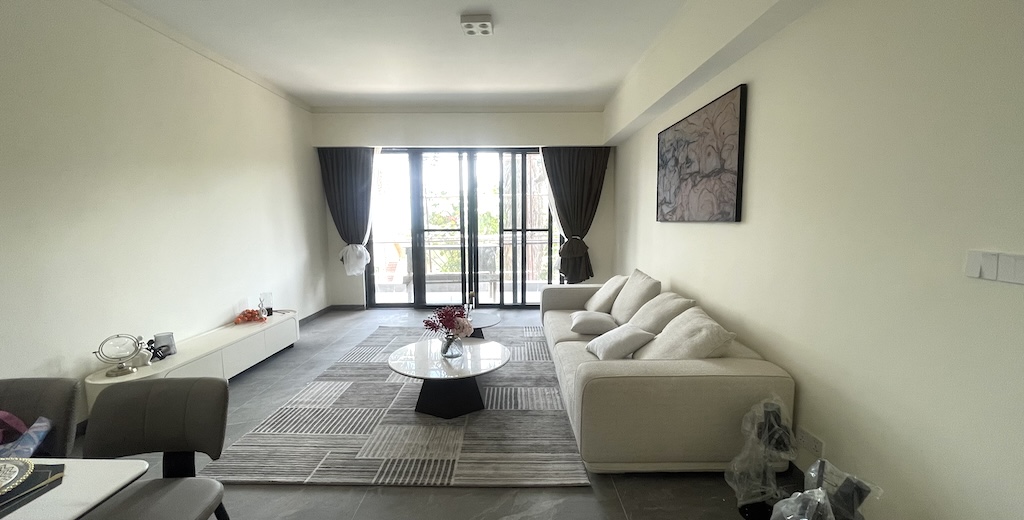
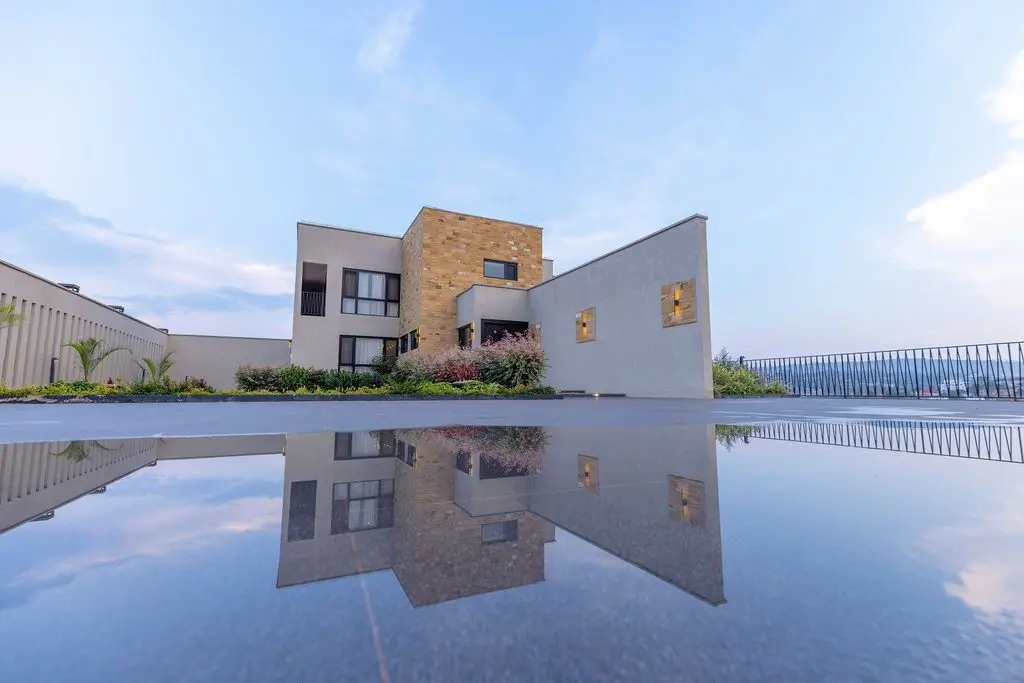
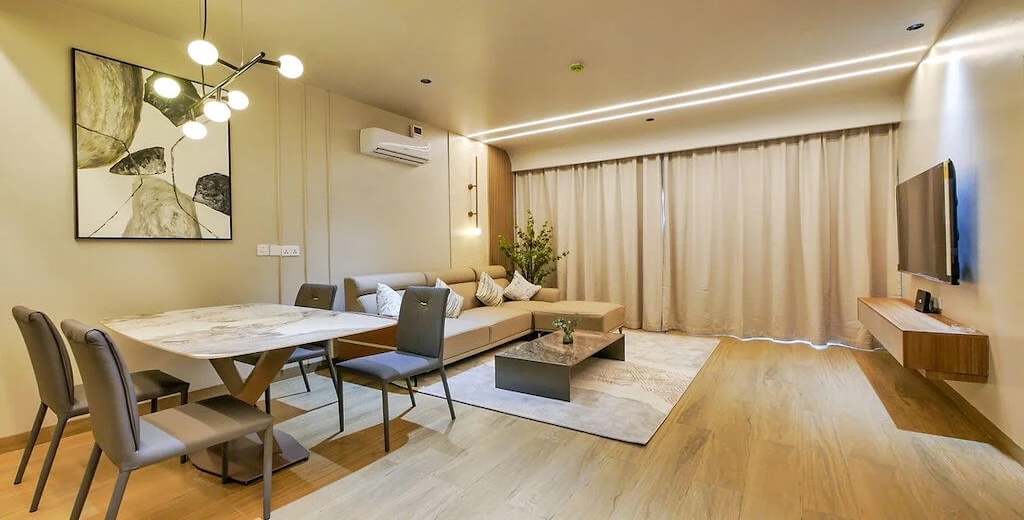
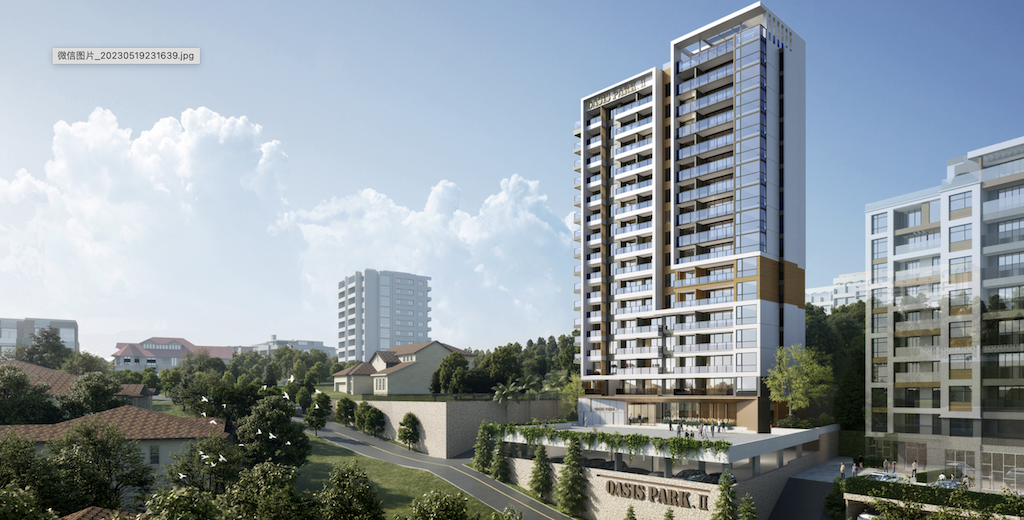
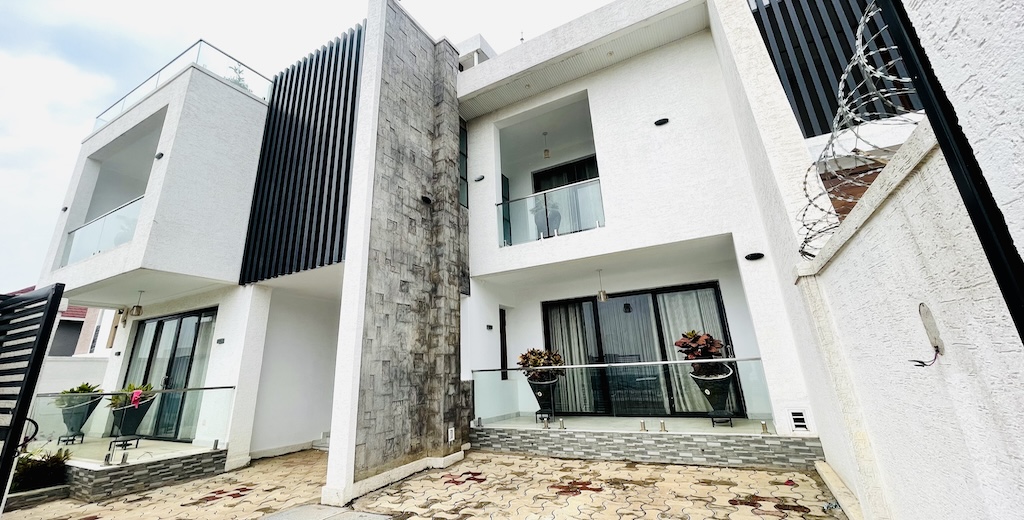
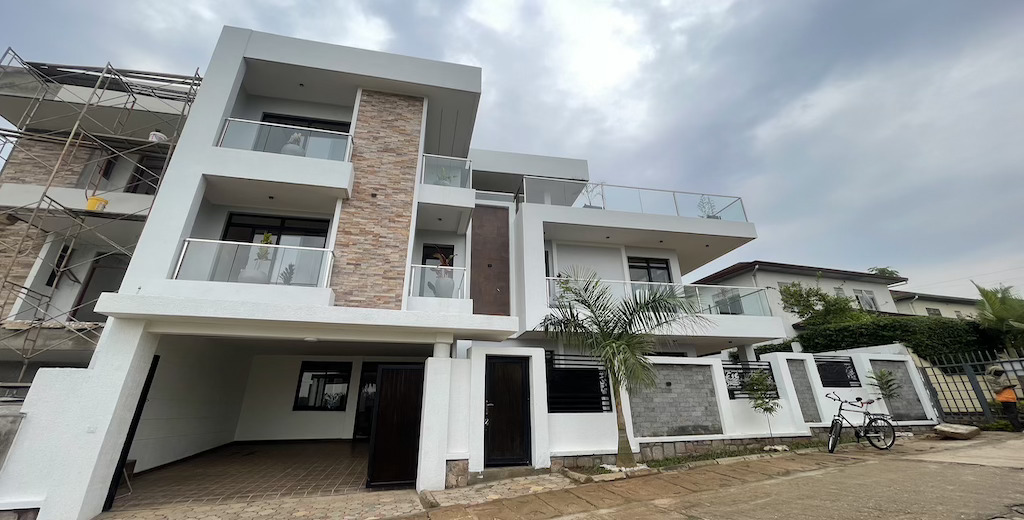
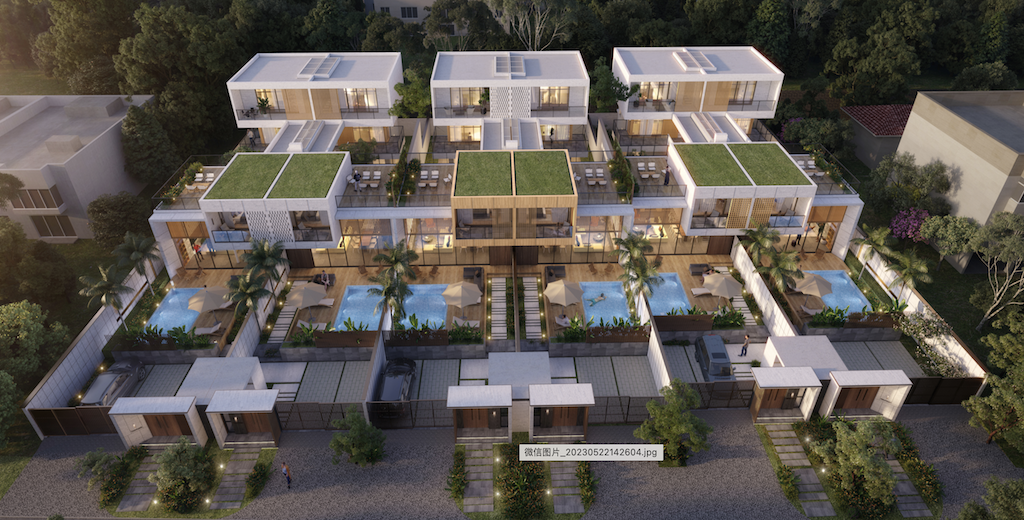
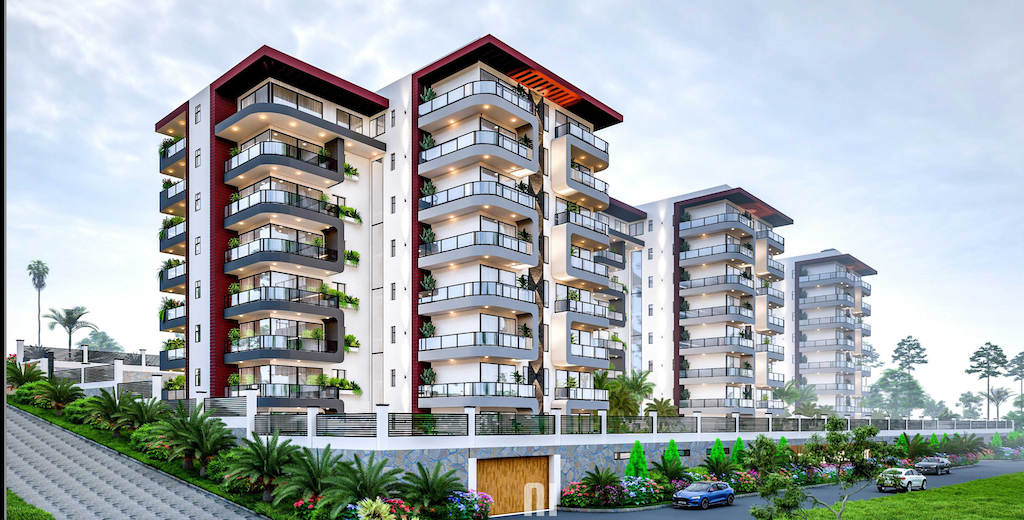
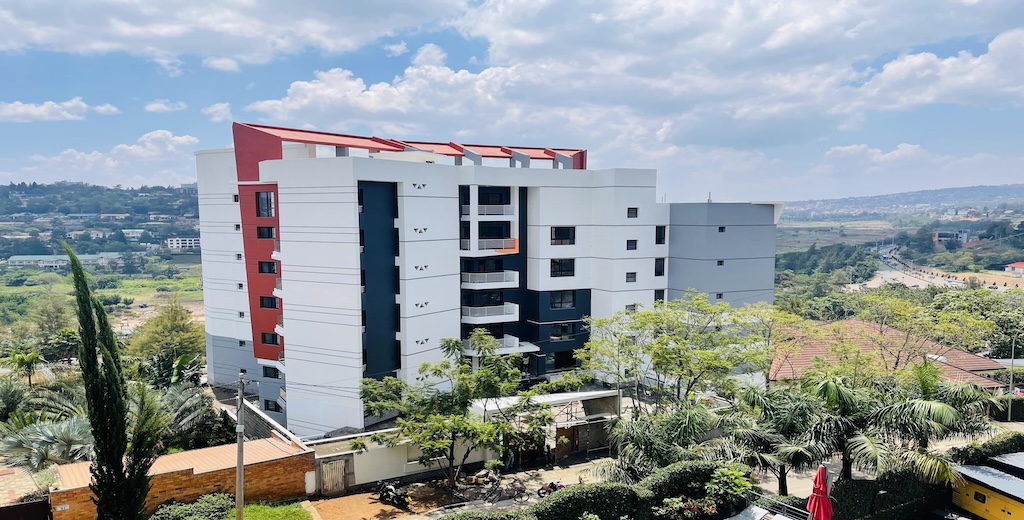
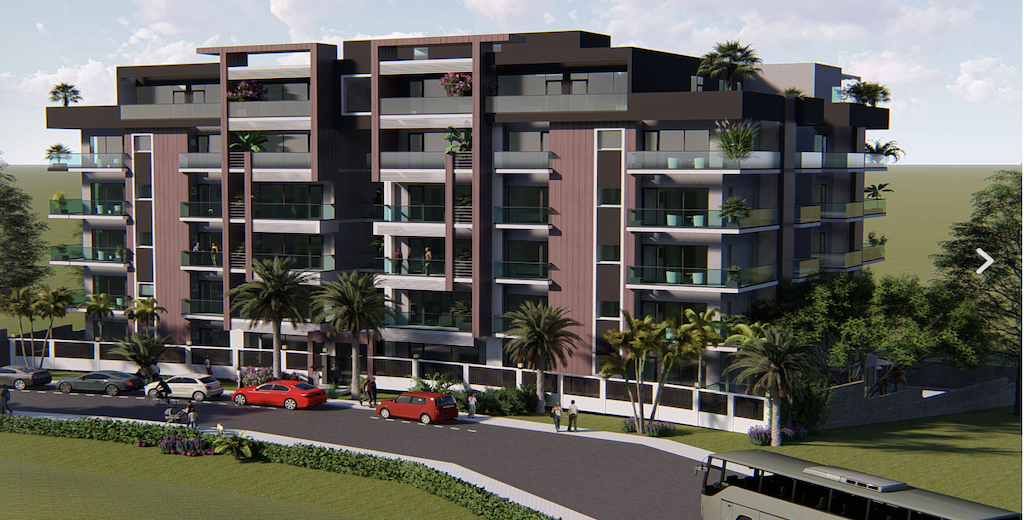
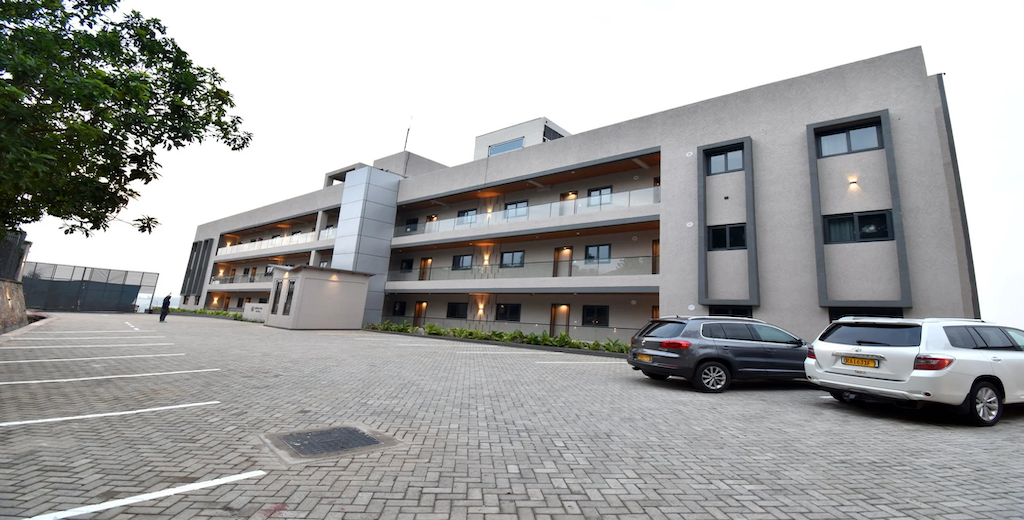
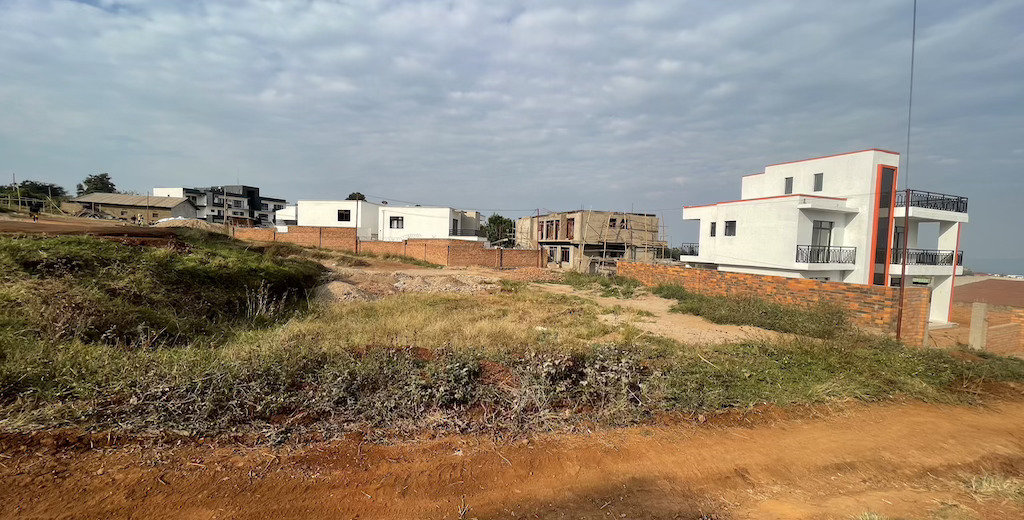
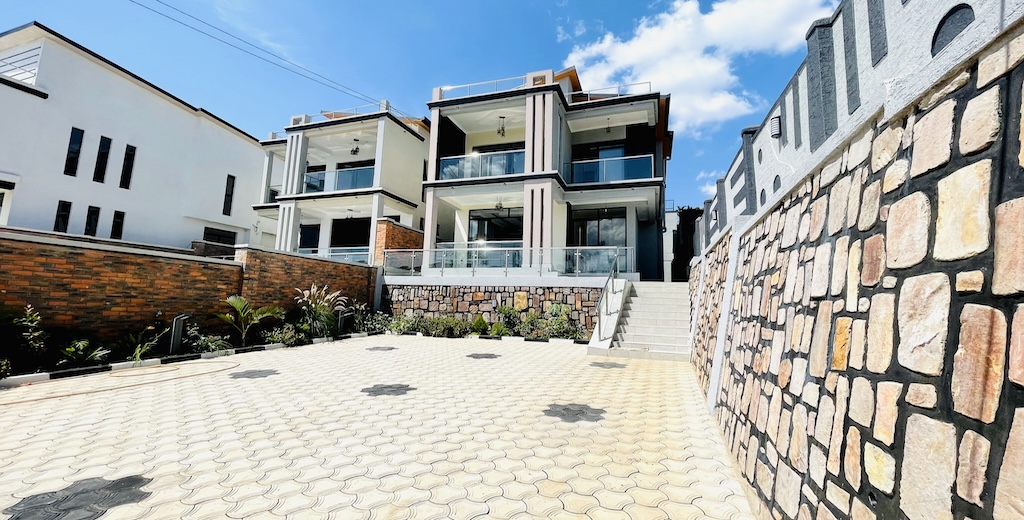
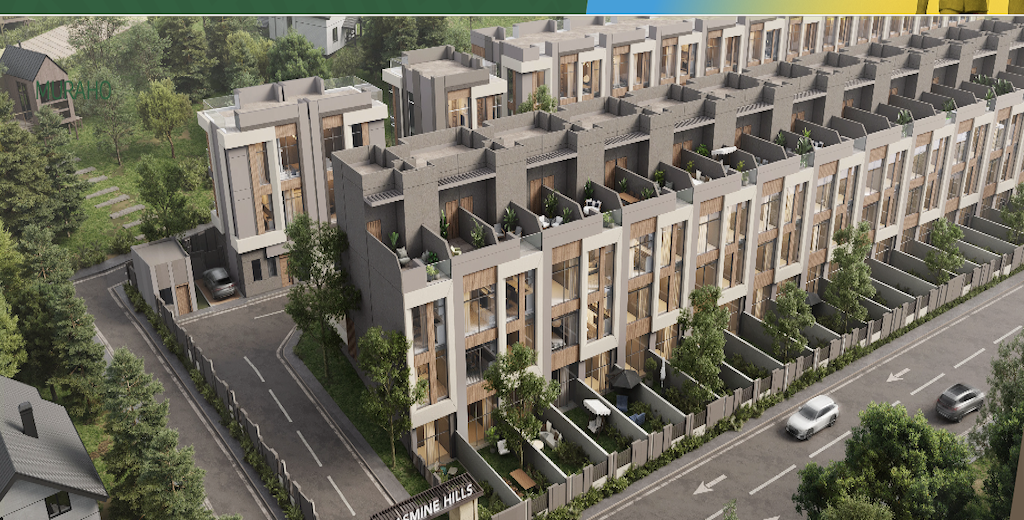
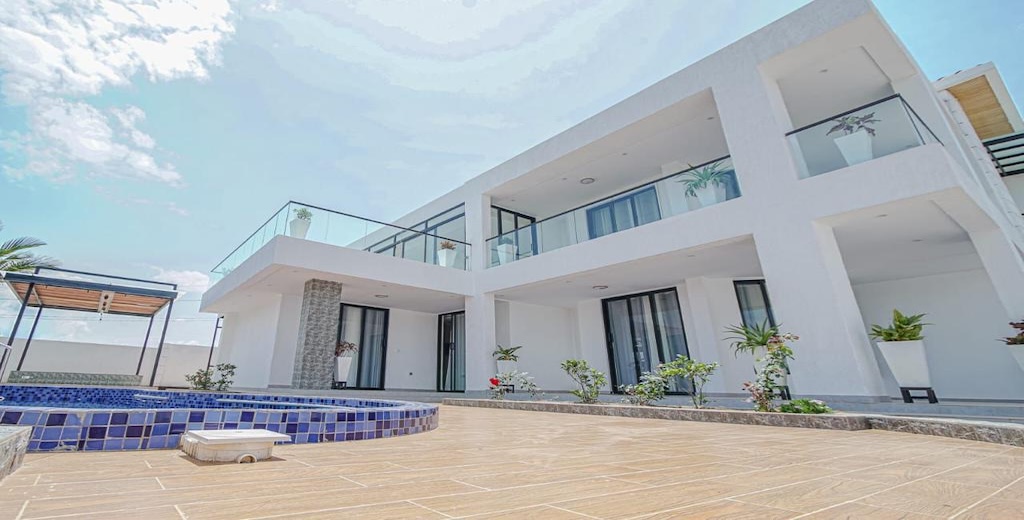
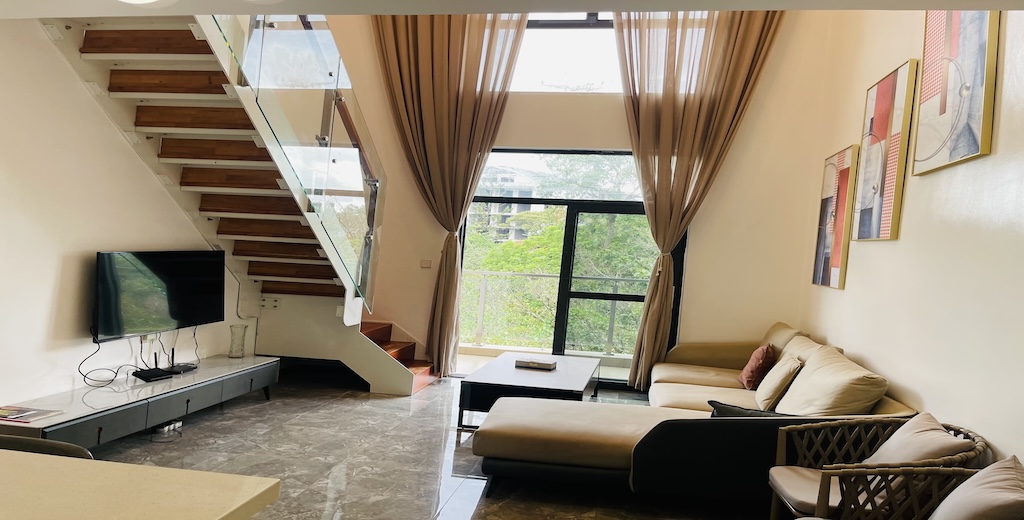
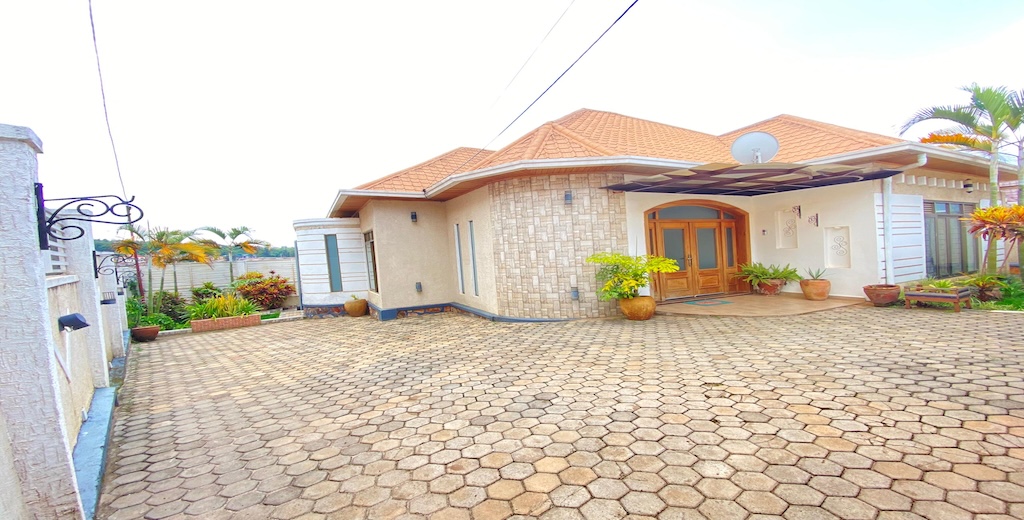
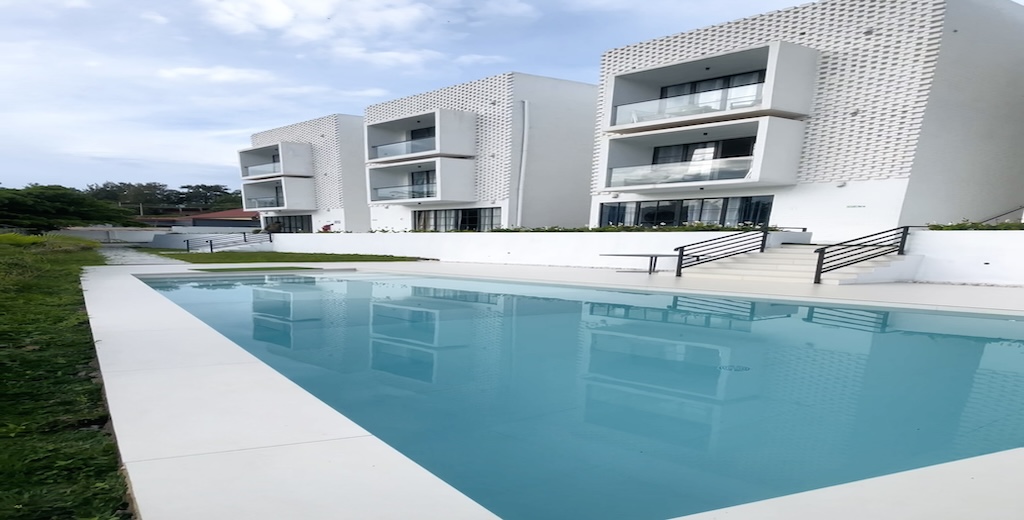
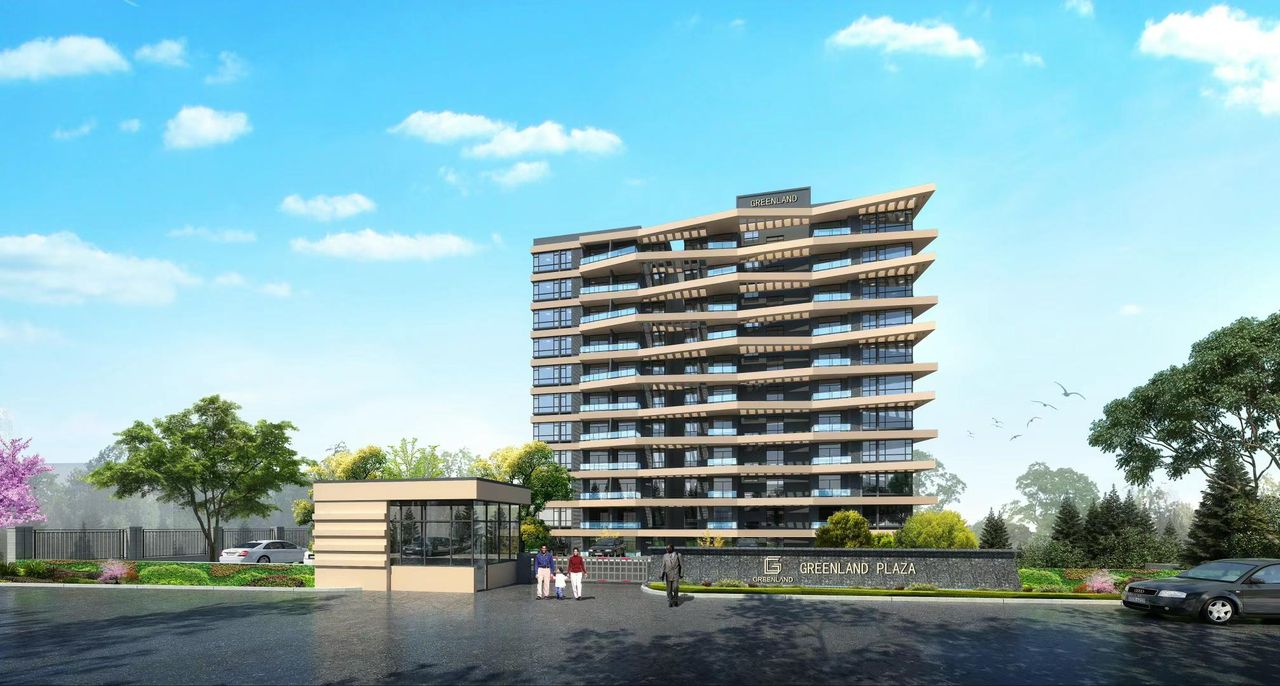
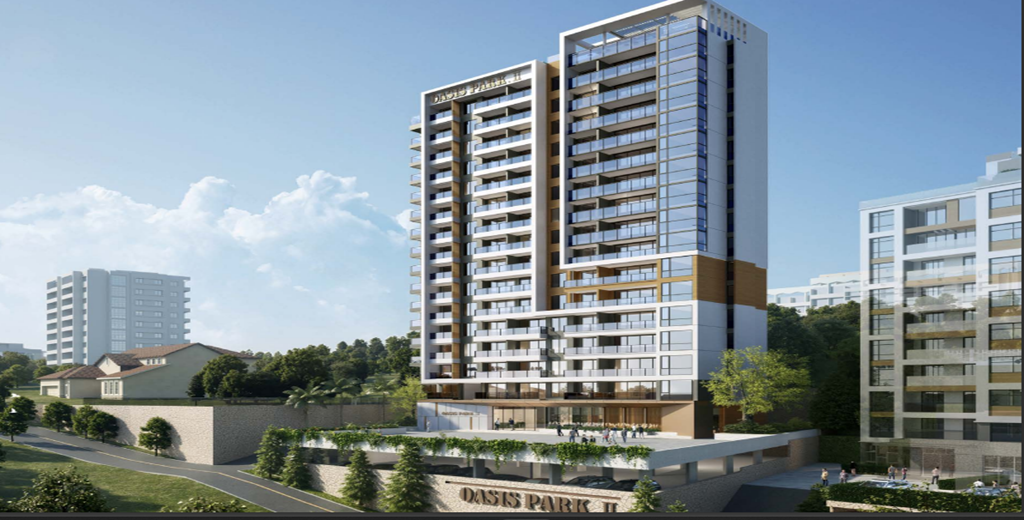
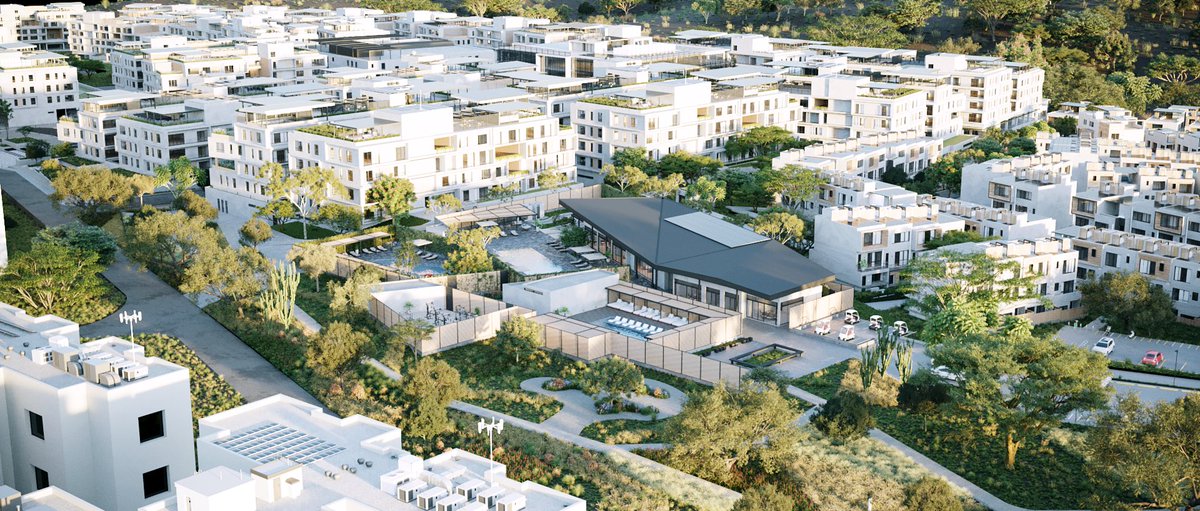
Housing remains the biggest expense in Kigali, with prices varying based on location, furnishing, and property type.
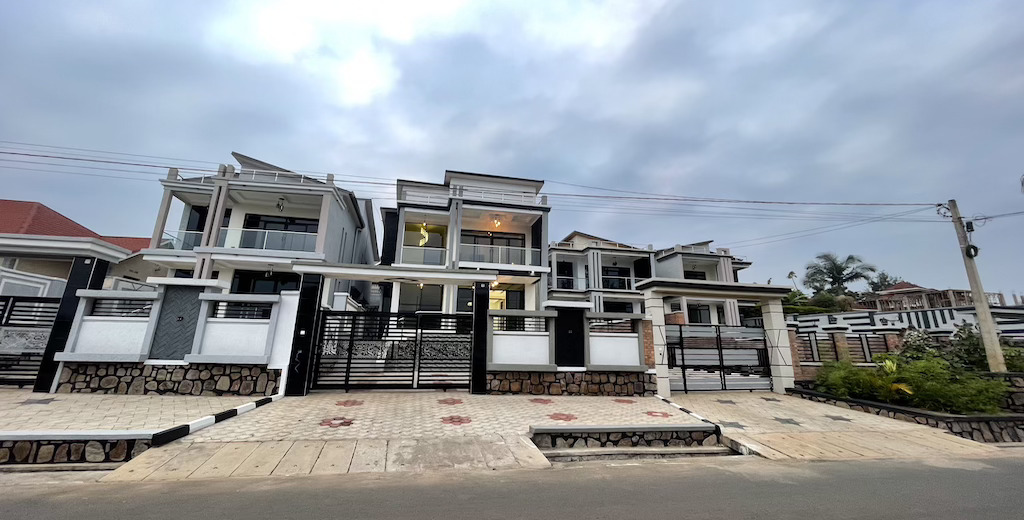
In prime neighborhoods such as Kiyovu, Nyarutarama, Kimihurura, Gacuriro, and Kibagabaga, rental prices are higher due to security, accessibility, and proximity to offices, embassies, and international schools.
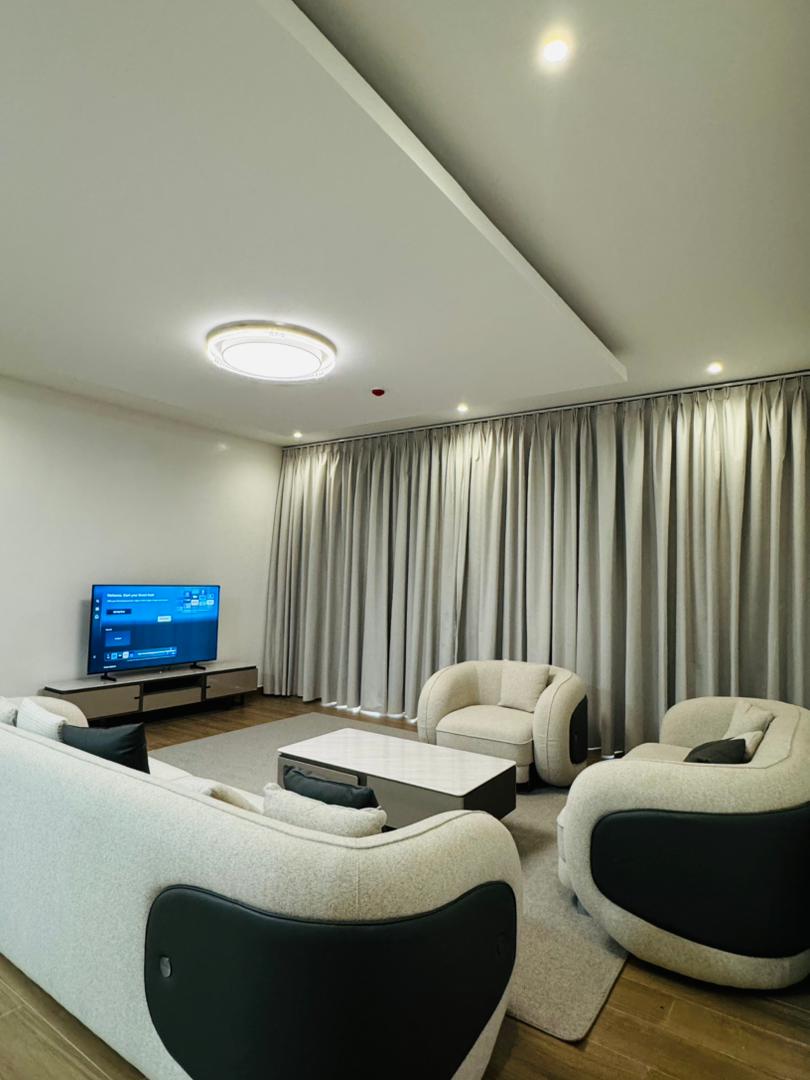
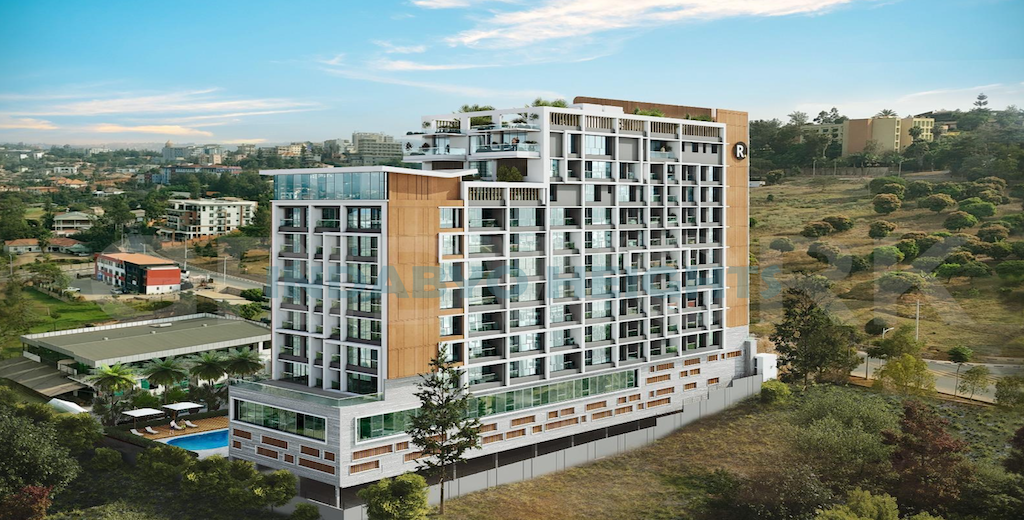
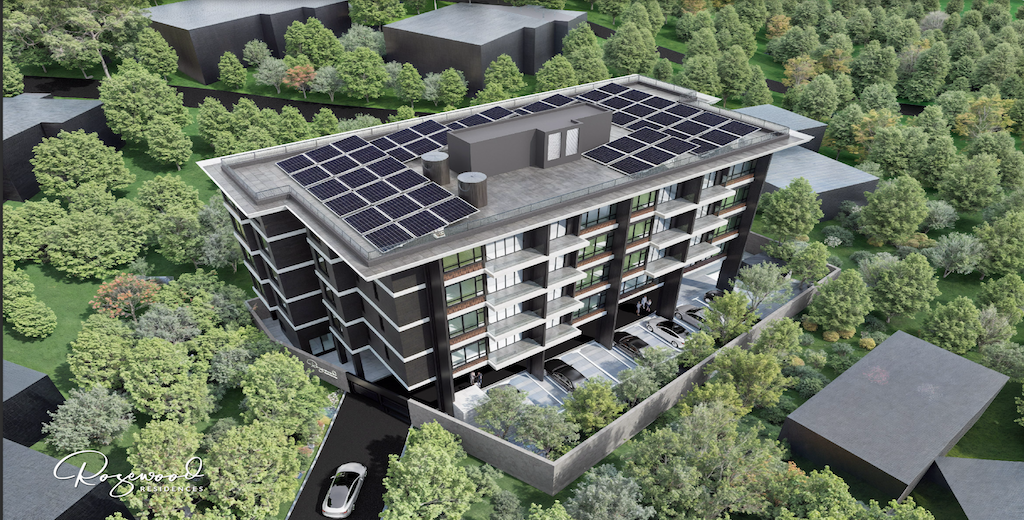
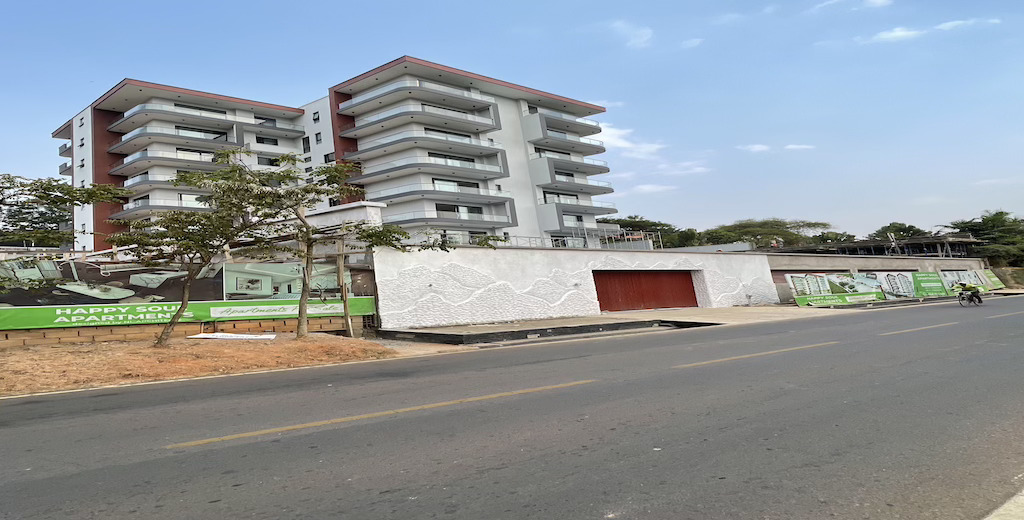
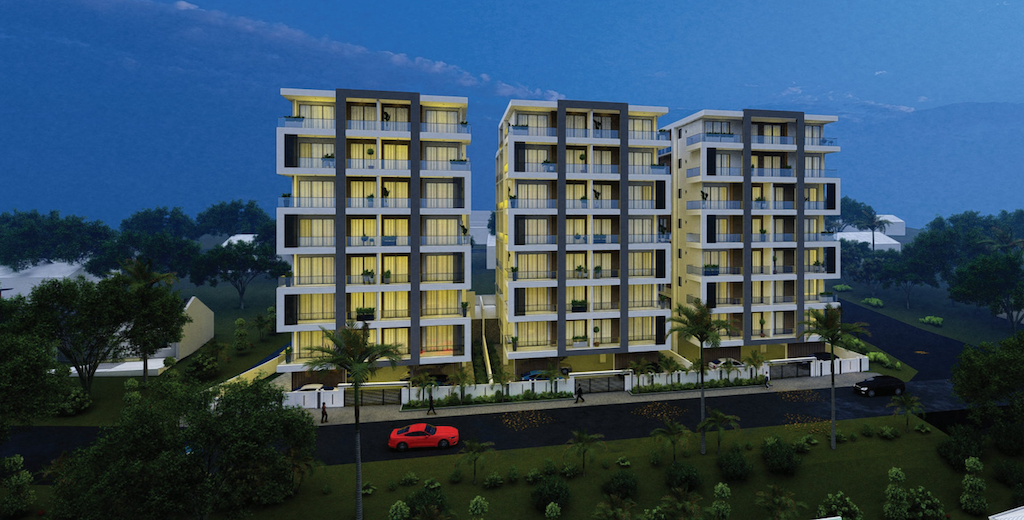
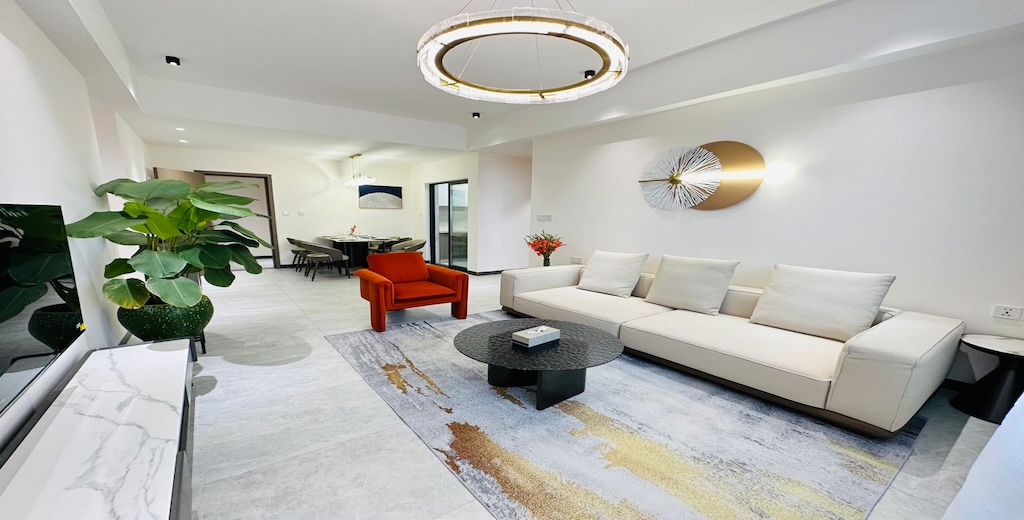
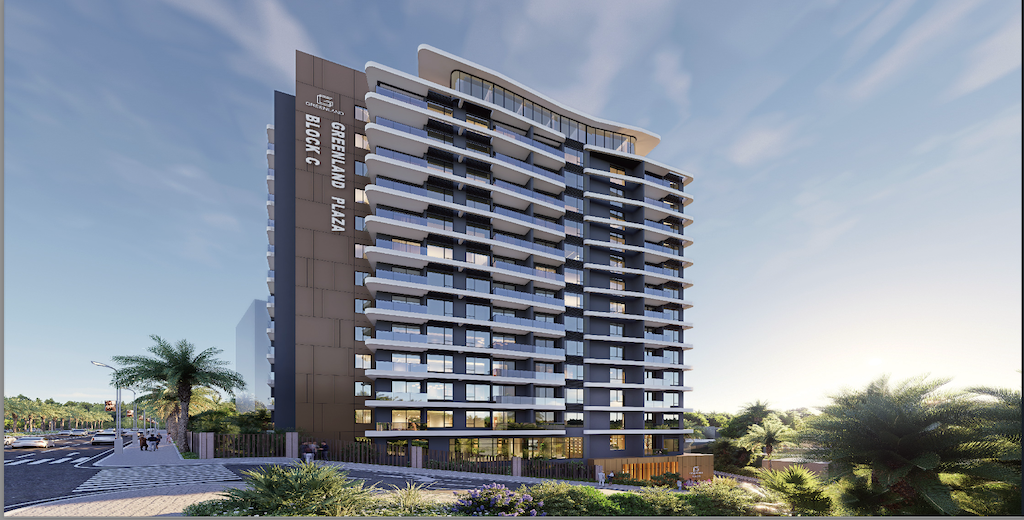
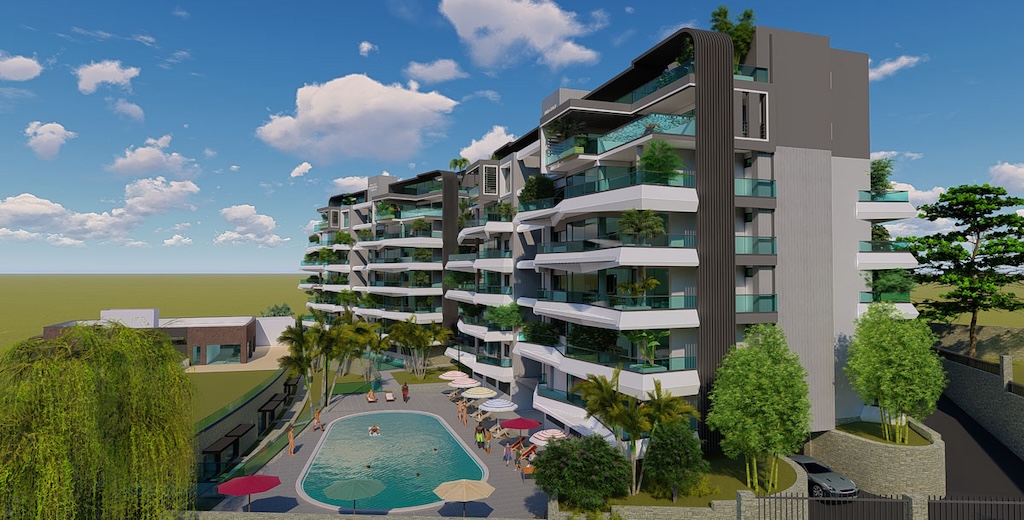
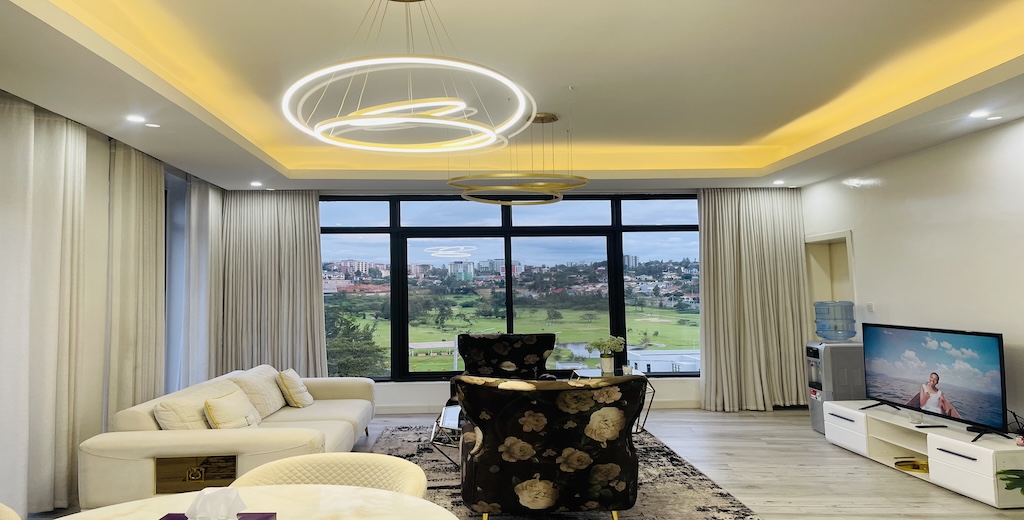
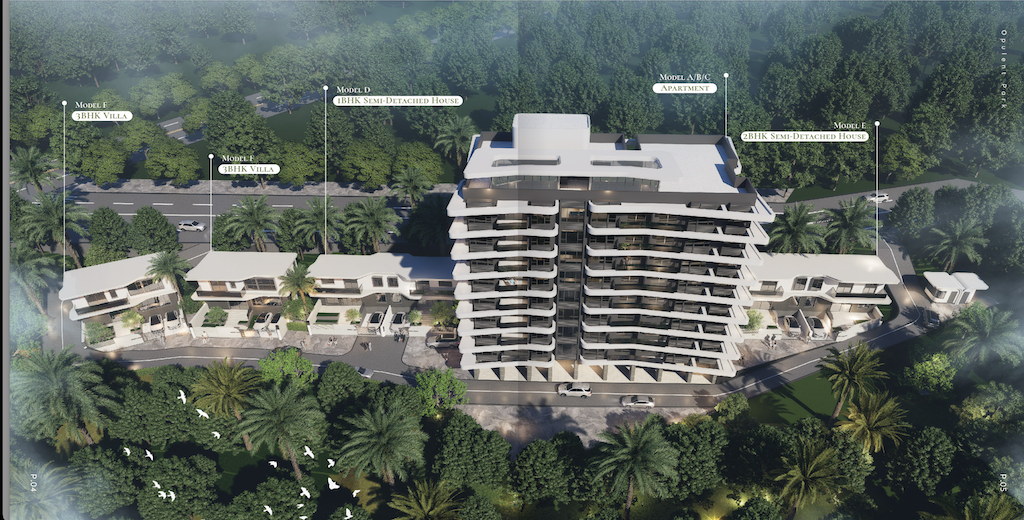
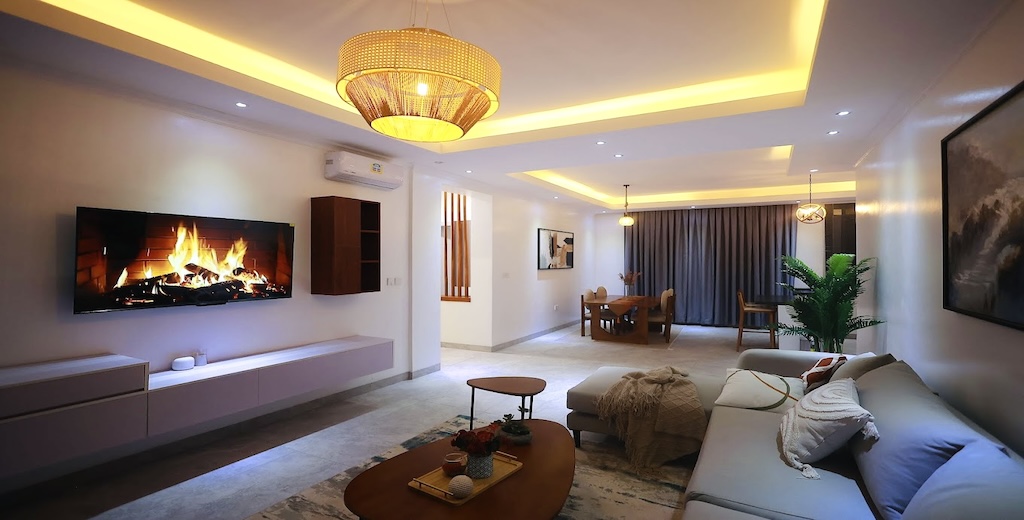
A modern one-bedroom apartment in a good area typically ranges between USD 800 – 1,500 per month, while a two-bedroom apartment can cost USD 1,000 – 2,500 depending on furnishing and amenities.
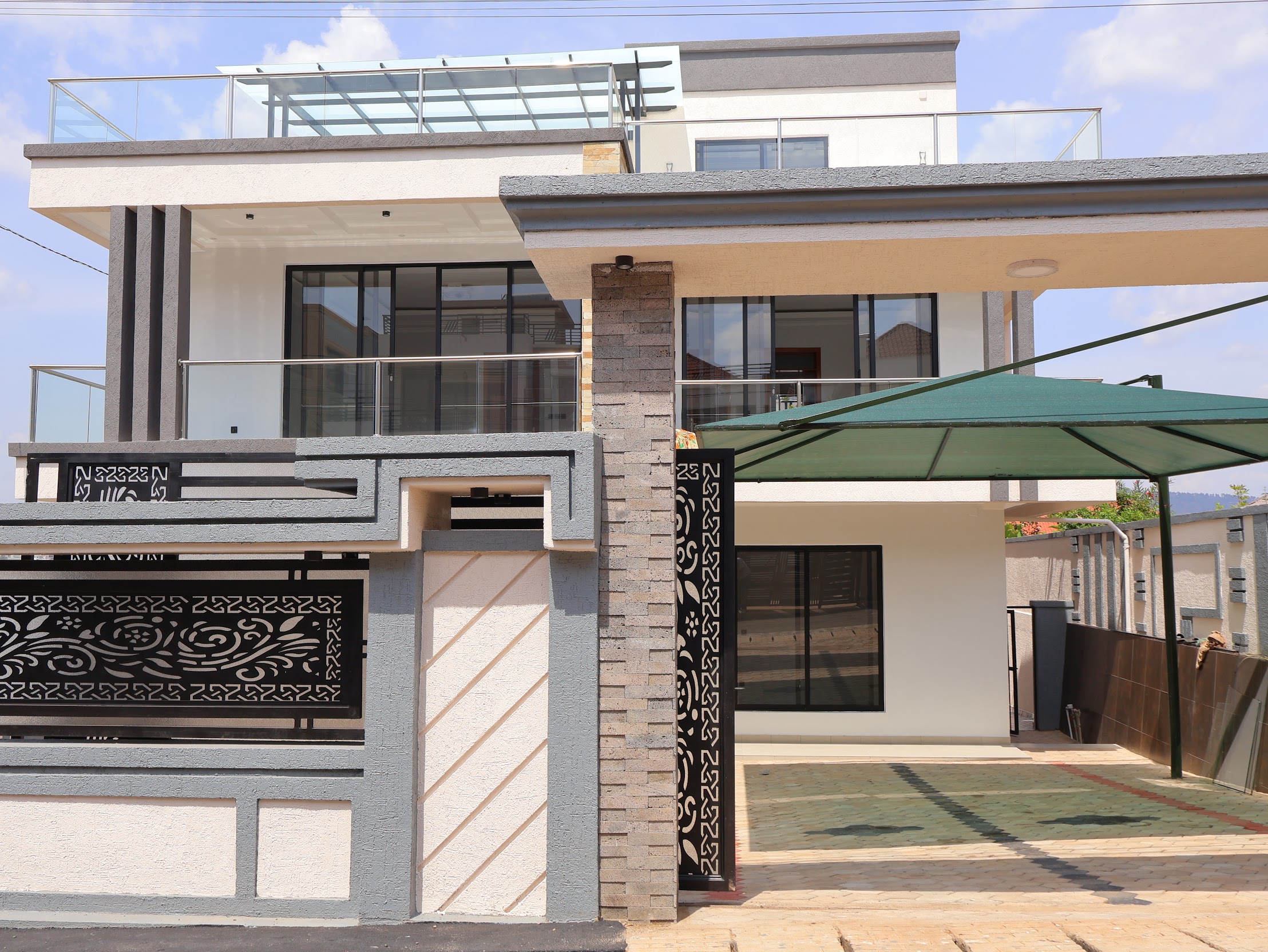
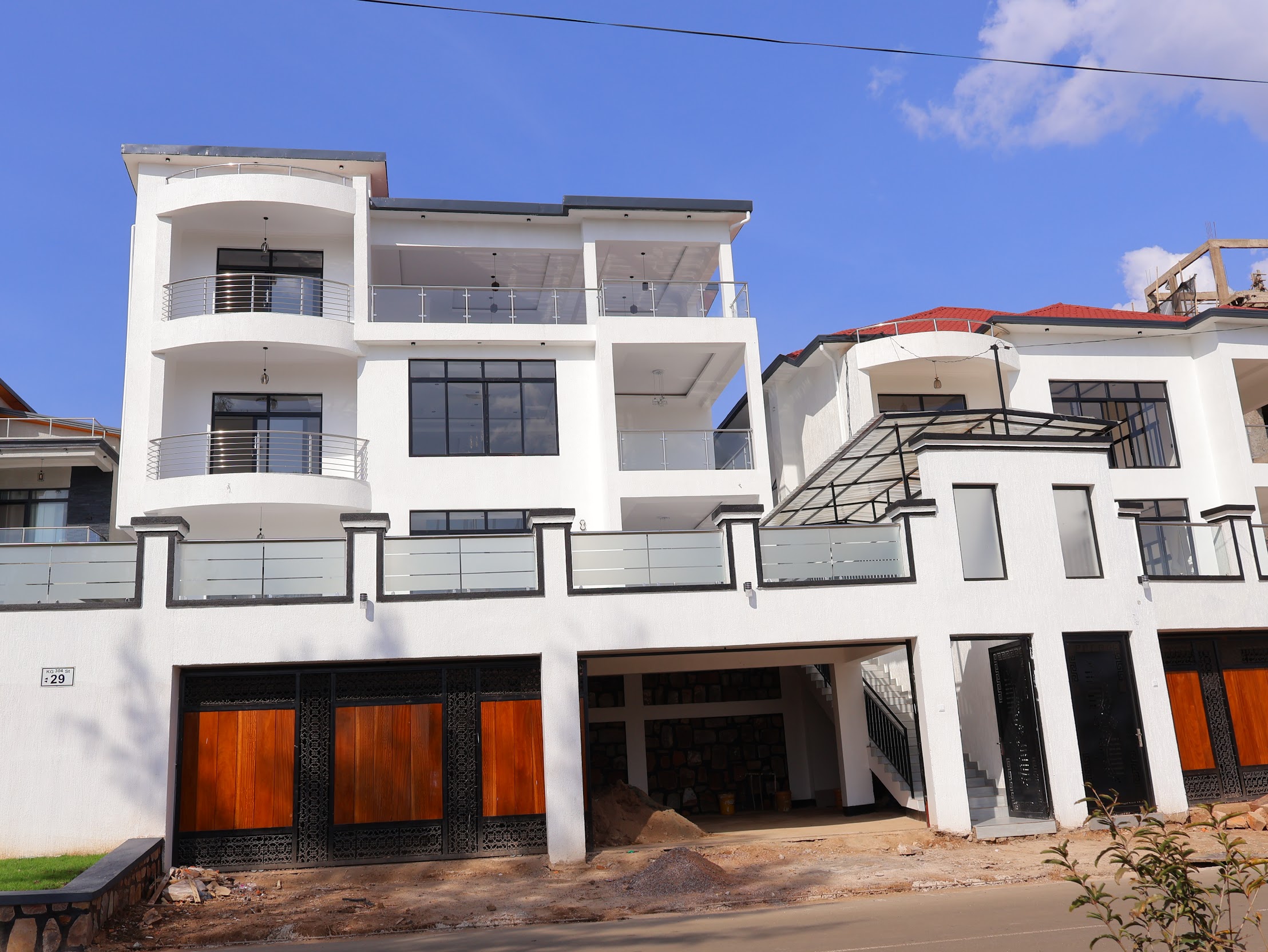
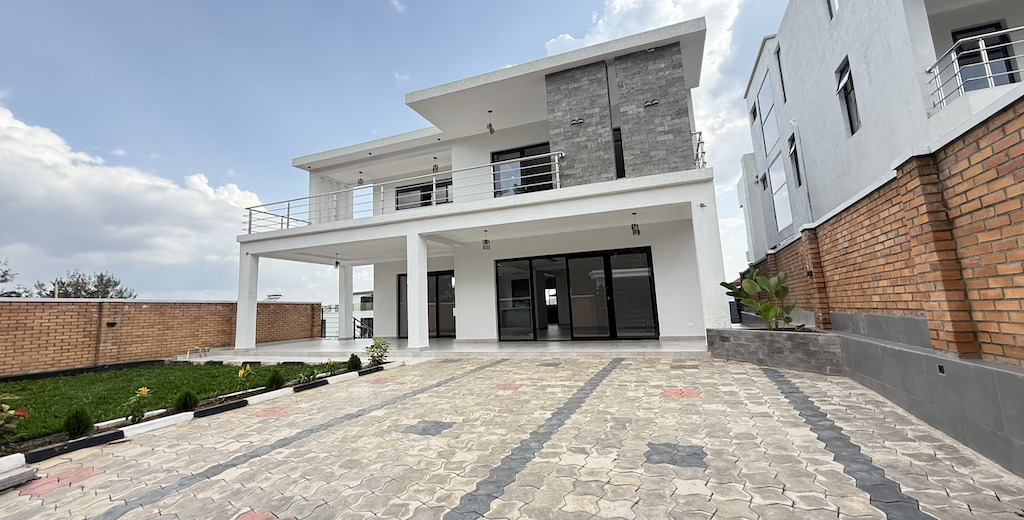
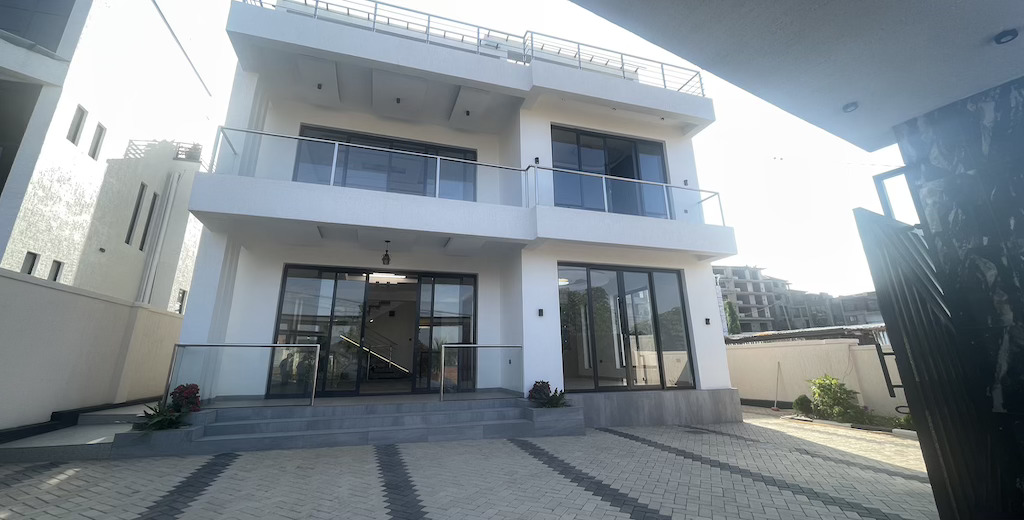
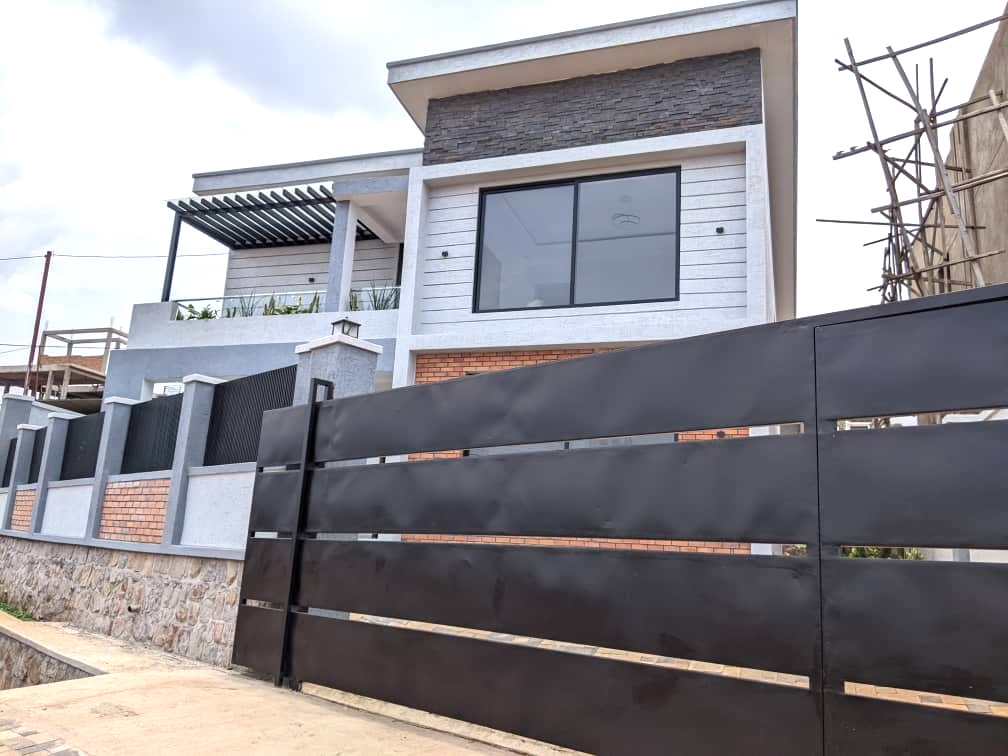
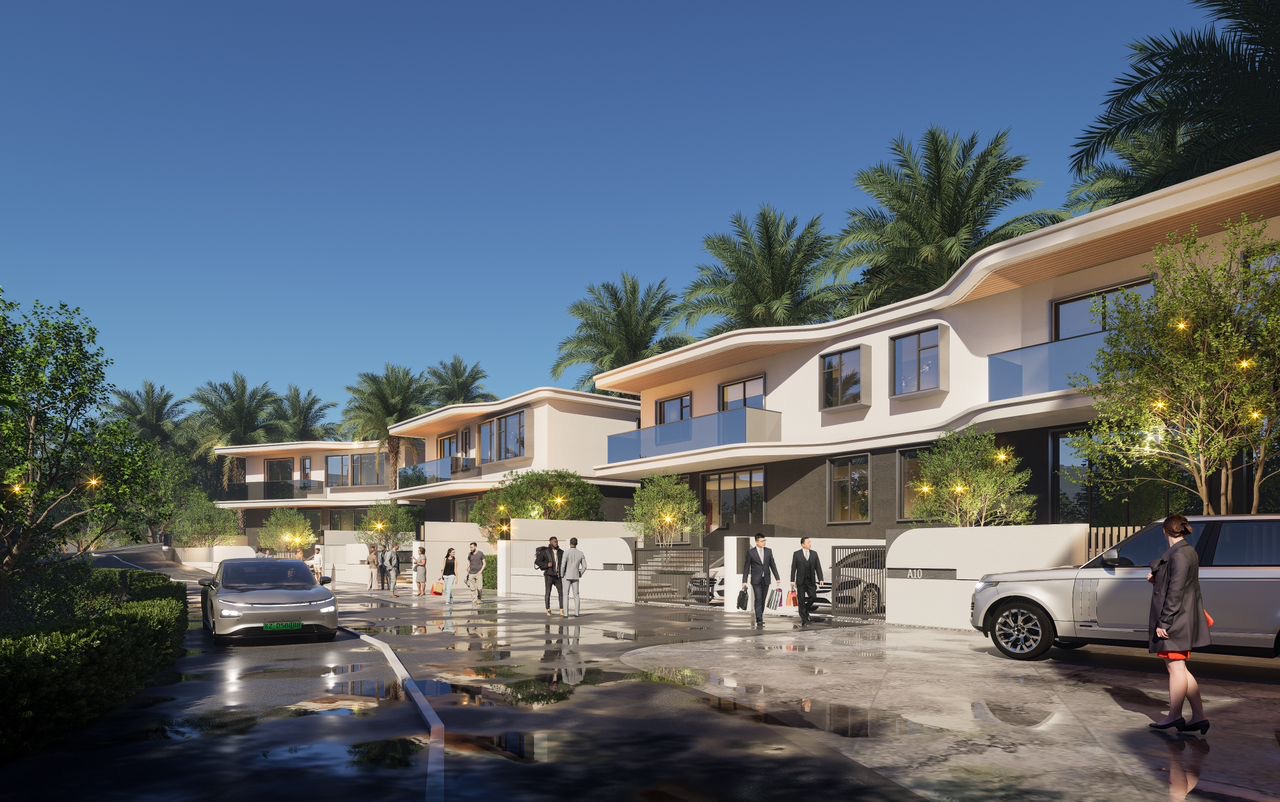
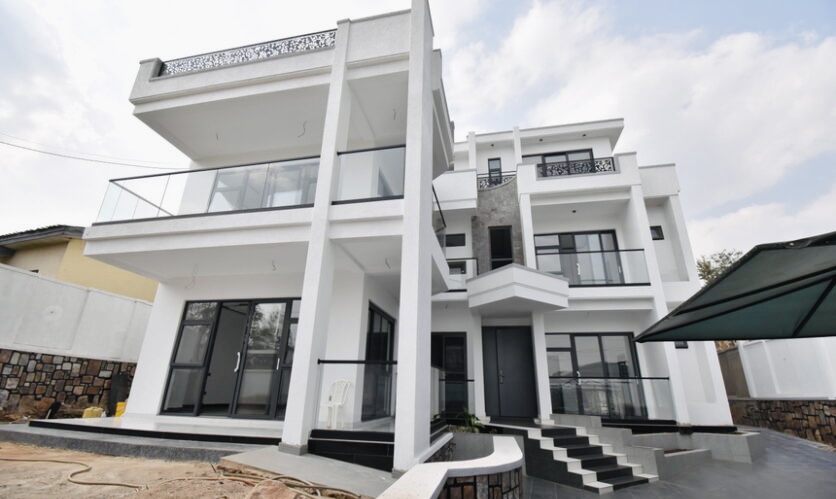
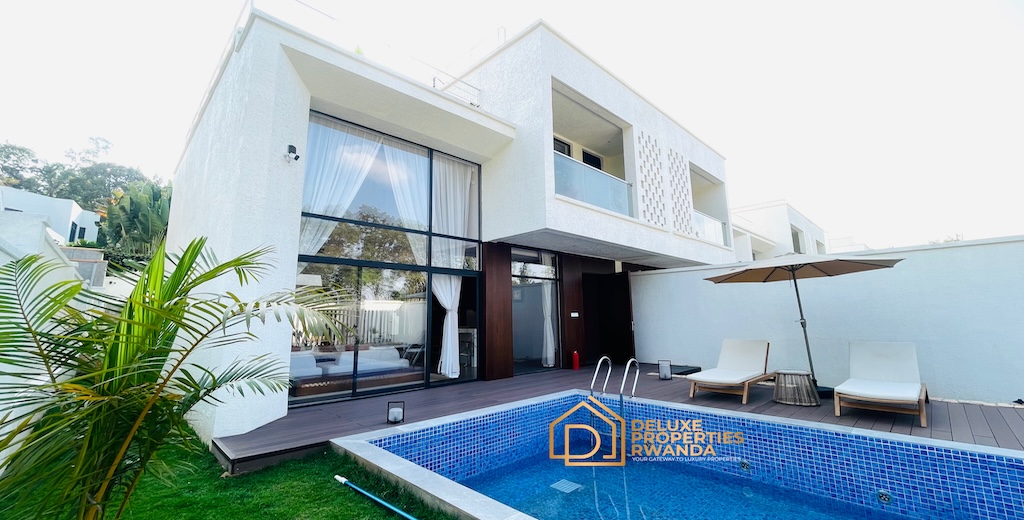
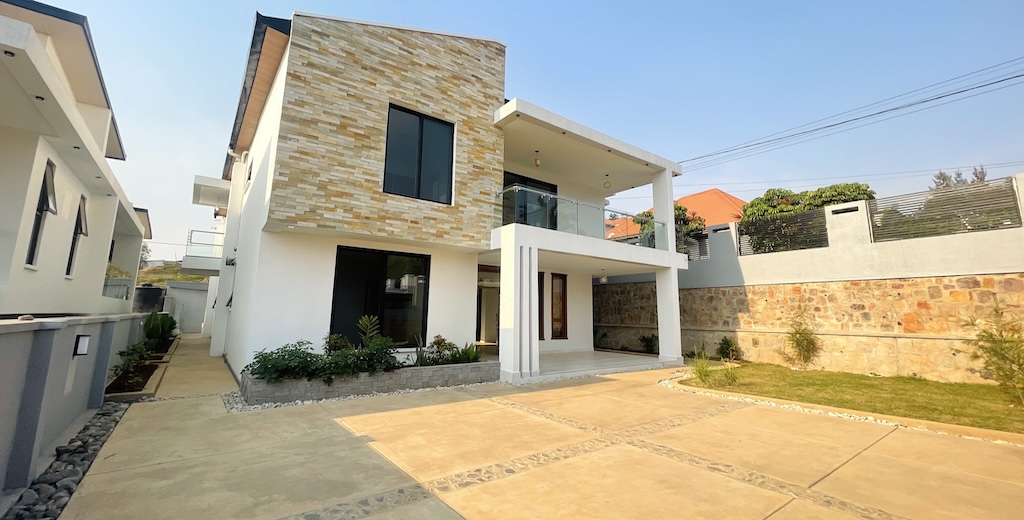
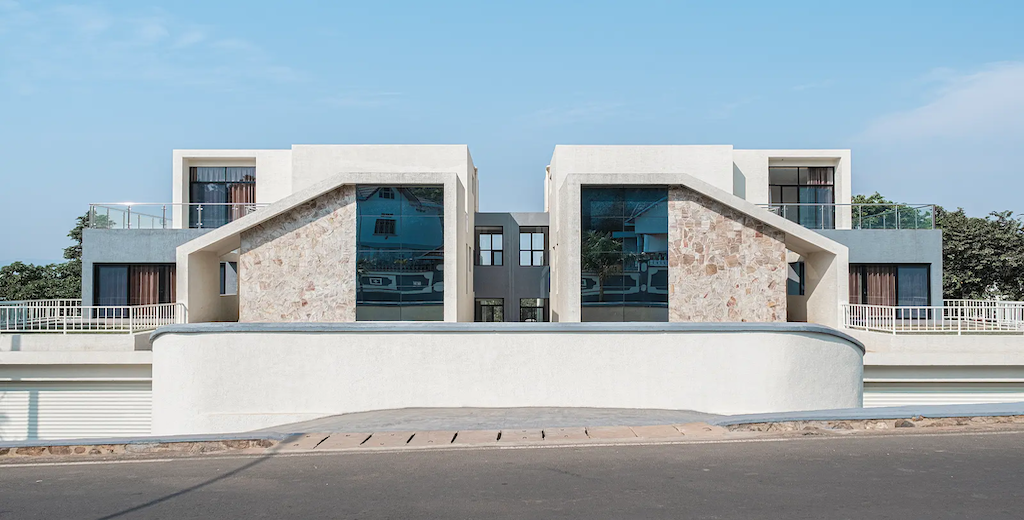
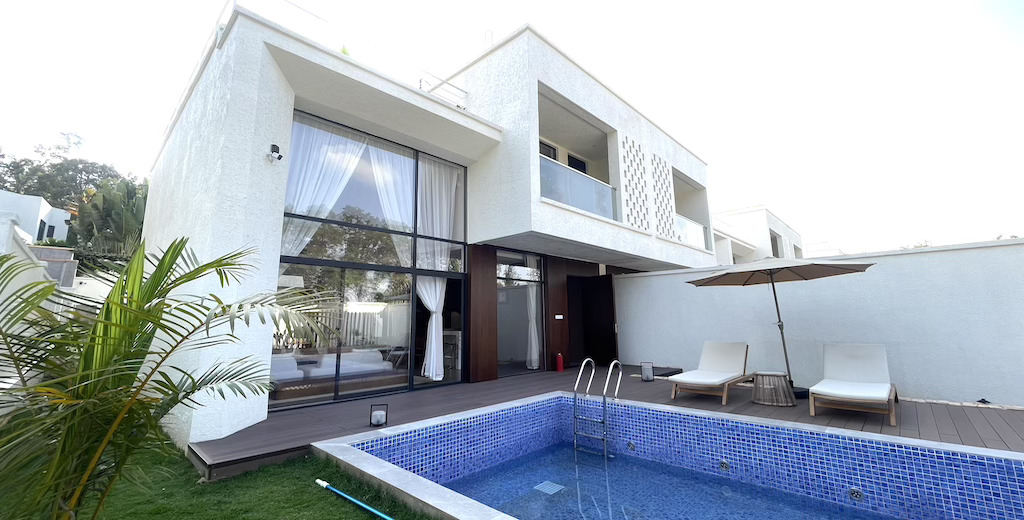
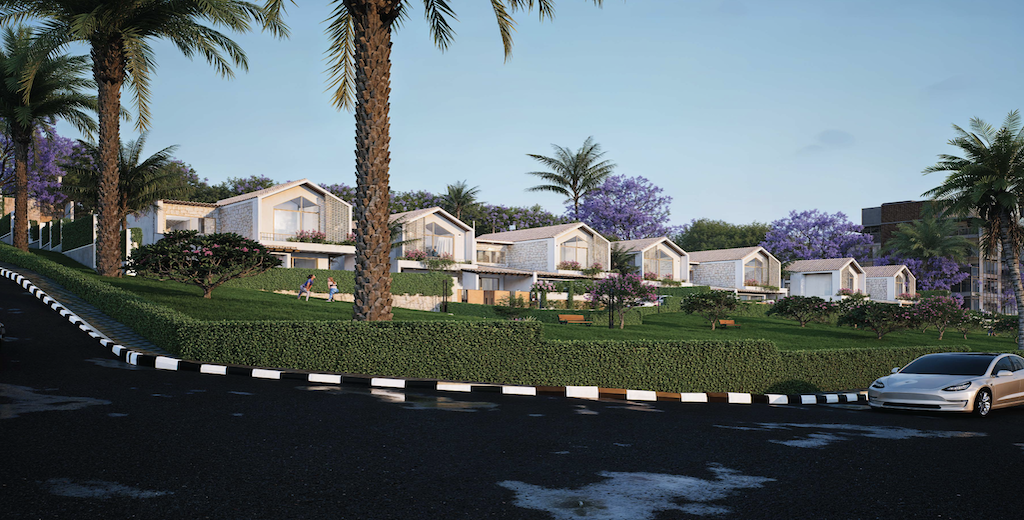
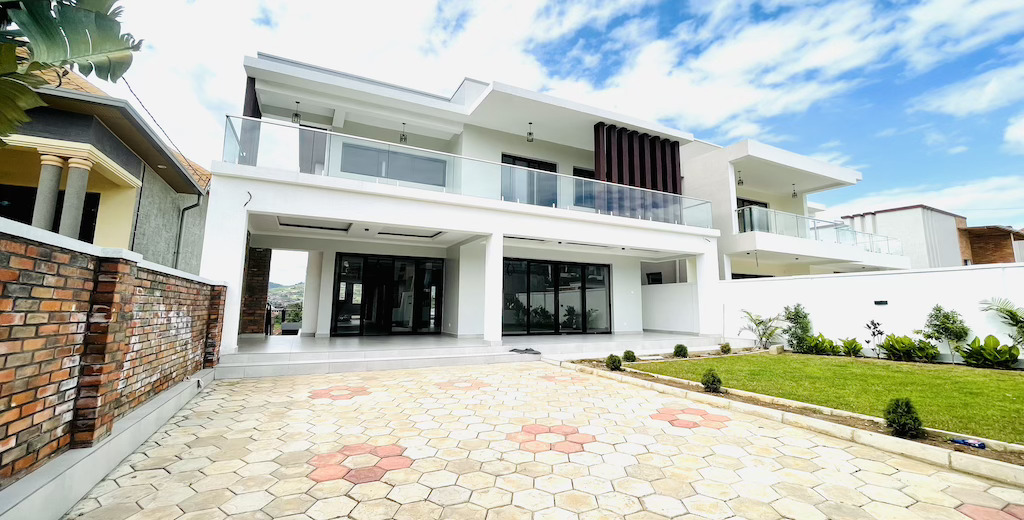
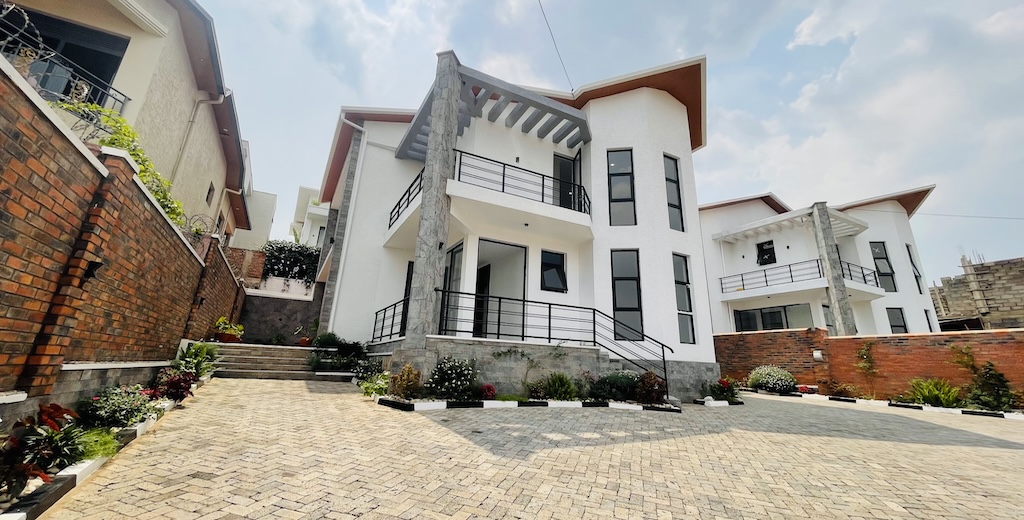
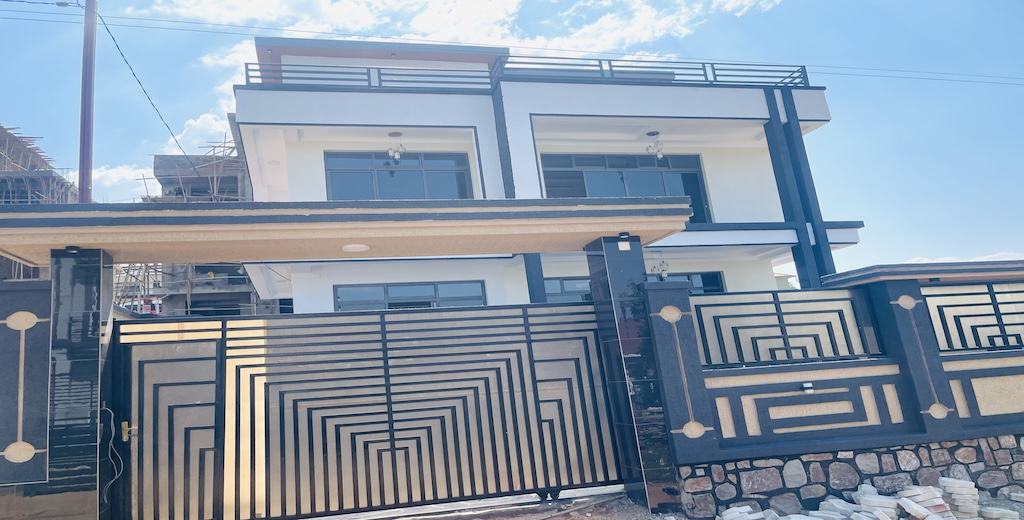
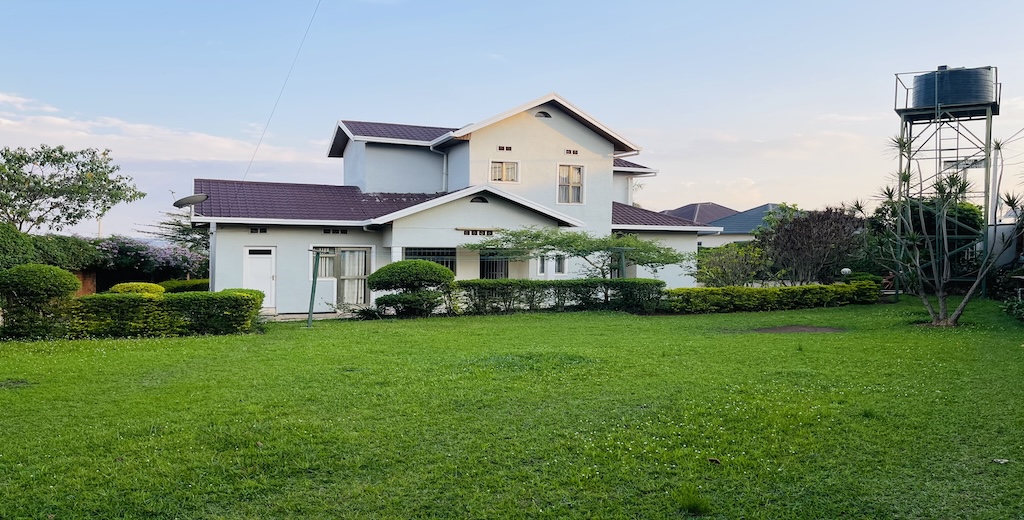
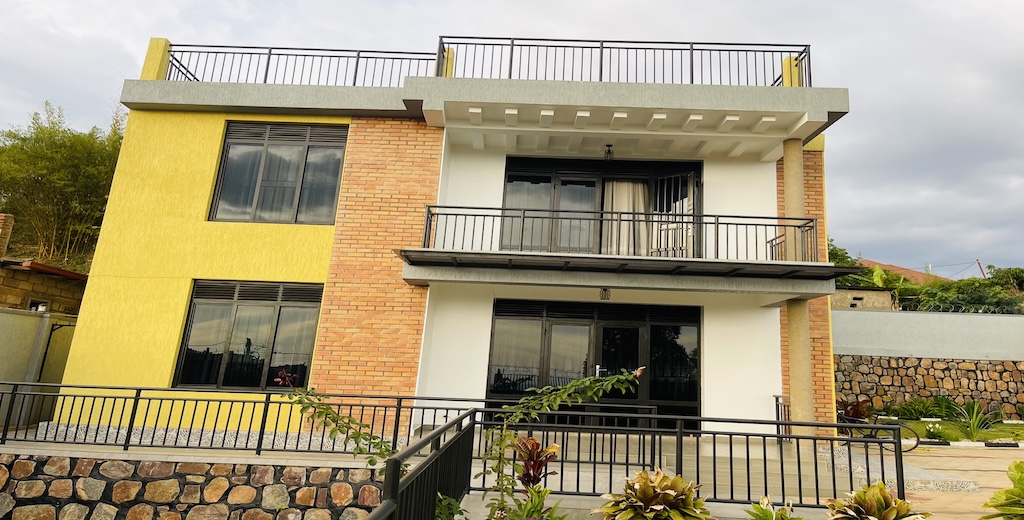
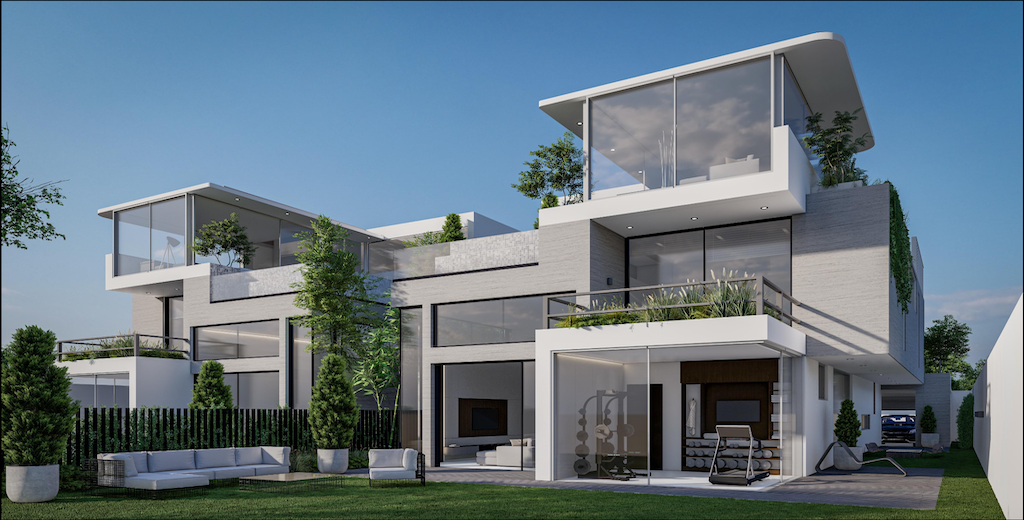
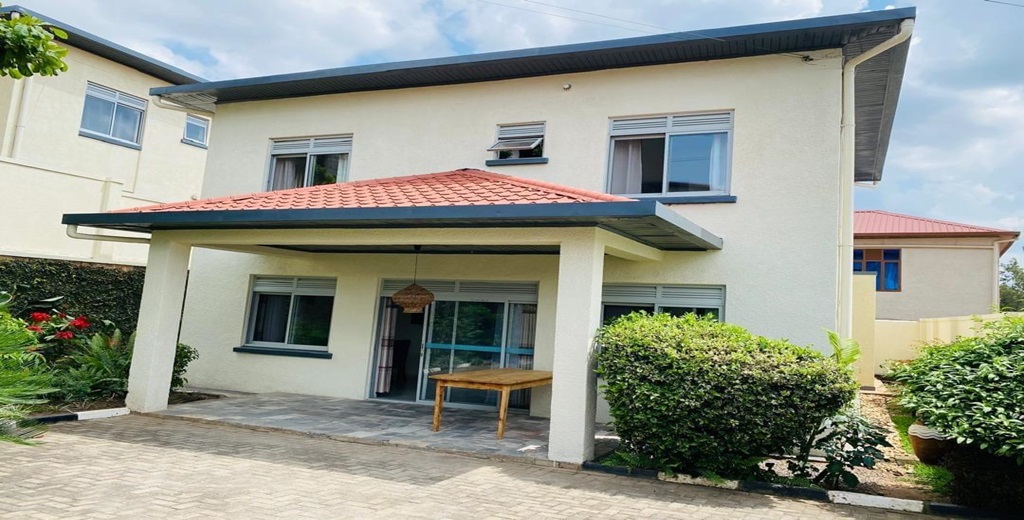
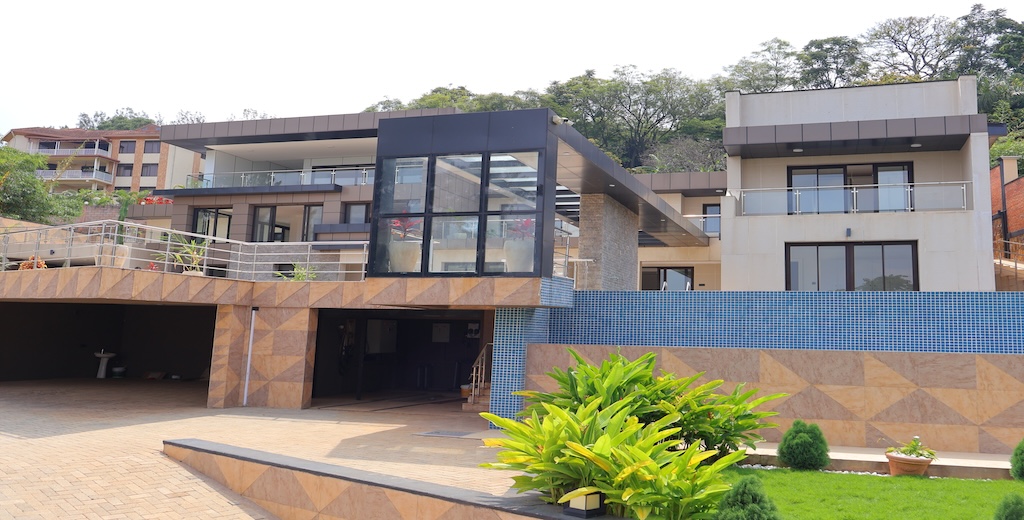
For families or executives, stand-alone houses or villas usually start from USD 2,000 and can go beyond USD 5,000 per month in luxury neighborhoods. Fully furnished properties and those with gardens, parking, and security command higher prices.
Utilities and Internet
Utilities in Kigali are generally affordable compared to many international cities.
Monthly electricity and water bills for an apartment average between USD 40 – 120, depending on usage and property size. Internet services are reliable, especially in urban areas, with high-speed fiber connections available.
A good internet package costs approximately USD 40 – 70 per month, making Kigali suitable for remote work and online businesses.
Food and Groceries
Food costs in Kigali depend largely on lifestyle.
Shopping at local markets and supermarkets for fresh produce is affordable. Monthly grocery expenses for an individual typically range between USD 150 – 350, while a small family may spend USD 400 – 600.
Dining out is popular in Kigali. A meal at a local restaurant may cost USD 5 – 10, while mid-range restaurants charge USD 15 – 25 per person. High-end restaurants and hotels are priced higher but offer international-standard service.
Transportation Costs
Kigali has an efficient and relatively affordable transport system.
Public buses are inexpensive, while motorcycle taxis are widely used for short distances. Monthly transport expenses using public transport usually remain below USD 50.
For those who prefer driving, fuel prices fluctuate, and monthly fuel costs typically range between USD 100 – 200 depending on usage. Ride-hailing services such as taxis are also available and reasonably priced.
Healthcare and Insurance
Kigali offers both public and private healthcare services. Many expatriates prefer private hospitals and clinics, which provide international-standard care.
Private health insurance plans range from USD 800 – 2,000 per year, depending on coverage. Medical consultation fees are affordable compared to many global cities.
Education and International Schools
For families with children, Kigali has reputable international schools following British, American, and International Baccalaureate curricula.
Tuition fees vary widely, generally ranging from USD 3,000 to over USD 15,000 per year, depending on the school and grade level.
Lifestyle, Safety, and Entertainment
Kigali is known for its safety, cleanliness, and calm lifestyle. Entertainment options include gyms, cafés, art spaces, golf clubs, and weekend getaways to nature.
Gym memberships average USD 30 – 80 per month, while leisure activities remain affordable and accessible. The city’s strong security and community-focused culture make it ideal for families and professionals alike.
Is Kigali Affordable in 2026?
Overall, Kigali offers a balanced cost of living. While housing in prime areas can be expensive, daily expenses such as food, transport, and services remain affordable. Compared to many African capitals, Kigali provides excellent value for its safety, infrastructure, and quality of life.
Whether you are relocating for work, investing in property, or planning a long-term stay, Kigali continues to be one of the most attractive cities in East Africa in 2026.
Is Kigali expensive to live in?
Kigali can be affordable depending on lifestyle and location. Housing is the biggest cost, while food and transport remain reasonable.
What is the best area to live in Kigali? Popular areas include Kiyovu, Nyarutarama, Kimihurura, Gacuriro, Kibagabaga, and Rebero
Can foreigners rent or buy property in Kigali?
Yes, foreigners can rent and buy property in Rwanda, following legal procedures.
Looking for a Home in Kigali?
At Deluxe Properties Rwanda, we help you find the right home based on your lifestyle, budget, and long-term goals. From luxury villas and furnished apartments to family homes and investment properties, our team is here to guide you every step of the way.
Contact us today to explore available properties and start your Kigali living experience with confidence.
 Kiyovu